Light nuisance
In suburban and residential areas, artificial light can come from a range of sources including security lights, spotlights and floodlights. Lights that are not positioned appropriately can cause an unreasonable nuisance to neighbours and interfere with their normal daily activities. If severe enough, it can affect their health.

What is a light nuisance?
Environmental nuisance is defined under the Environmental Protection Act 1994 (“the Act”) as “unreasonable interference, or likely interference, with an environmental value”. An environmental value includes a quality or physical characteristic of the environment that is conducive to ecological health, public health, safety or amenity.
Lights have the potential to cause an environmental nuisance to surrounding residents and businesses if they are not designed, installed and operated correctly. In addition to other standards and requirements for lighting, outdoor lighting in new commercial buildings should comply with Australian Standard 4282:2023 “Control of obtrusive effects of outdoor lighting”. Lighting is also regulated under the National Construction Code and/or conditions of a development approval.
A light beam directed onto a neighbouring property may be considered a nuisance, whereas minor light spillage is less likely to be regarded as such. Spotlights and similar lighting used for security or amenity purposes are generally not deemed unreasonable when directed within the property boundary and light spillage is not excessive.
Council responsibilities
Council has powers under the Act to regulate light emissions if the light is deemed to be causing unreasonable interference with an environmental value. If Council is satisfied that the light constitutes an environmental nuisance, an Environmental Enforcement Order may be issued requiring the light nuisance to be minimised or abated. Council must consider the General Emission Criteria when assessing the light nuisance and determine whether it is appropriate to issue an Environmental Enforcement Order or try to resolve the matter in another way.
Your responsibilities
Everyone has an obligation under the Act to not cause an environmental nuisance. The Australian Standard 4282:2023 “Control of obtrusive effects of outdoor lighting” can be used as a guide to preventing light nuisance. As a general rule, outdoor lighting should be positioned and angled in a way that minimises light spillage onto adjoining properties. Some other tips to prevent light nuisance include using “warm white” lights rather than “cool white” lights and installing screens or baffles if needed to minimise light spillage.
General emission criteria
What we consider:
- The type of lighting
- The number of lights
- How often they operate
- How long they operate for
- Is the light continuous or fluctuating?
- Where is the light directed?
- What level of light is reasonably expected in the area?
- What impact is it having on environmental values?
- How many people are affected?
- Has there been any changes that have resulted in increased light spillage?
- What measures can be reasonably be taken to minimise light spillage?
Reporting an environmental nuisance
If you believe that a light nuisance is occurring, and your environmental values are affected, you may log a Customer Request with Council for investigation. Once a determination is made about whether the light constitutes an environmental nuisance, you will be advised of the outcome. Please note that an environmental nuisance determination must be made from the impacted property, therefore, anonymous customer requests cannot be investigated. It should be noted that whilst the personal details of customers requesting a light nuisance investigation are kept confidential, due to the positioning of lights and the nature of the investigation, the impacted property and therefore source of the complaint is generally identifiable. Council encourages residents to discuss light impacts with their neighbours directly and try to resolve the matter through a mutually suitable outcome prior to involving Council.
If you log a Customer Request with Council for investigation and we make a nuisance determination, we will advise you of the outcome.
Note: An environmental nuisance determination must be made from the receptor’s point of view. We therefore cannot investigate anonymous complaints. While identifying details are protected, in light nuisance cases, the affected person is by nature identifiable.
You can lodge a request for investigation into a light nuisance by:
- Calling 1300 69 22 47
- Submitting a Report a Problem online form
- Using the Report a Problem feature on the My Cairns app.
Last Updated: 3 August 2026
Latest News > All News
King tides expected in Cairns this week
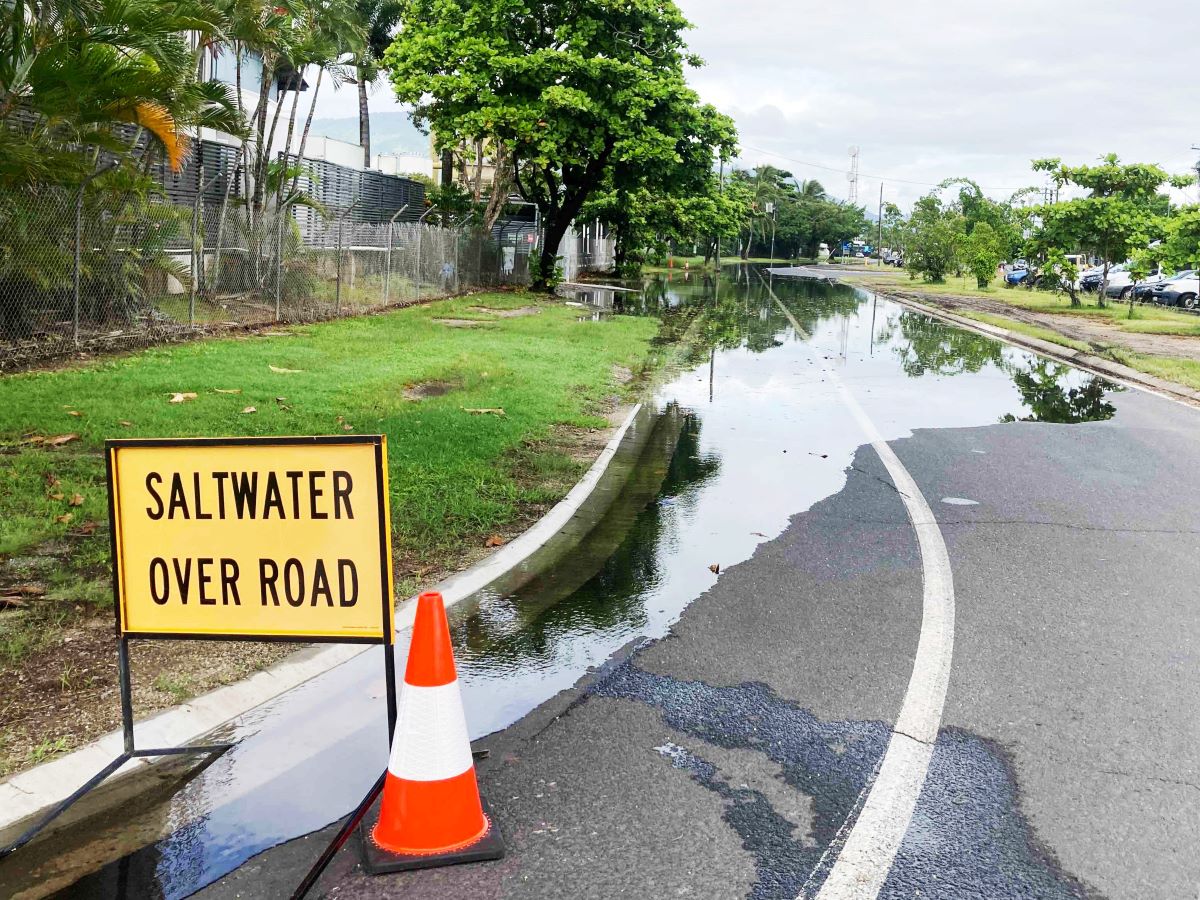
King tides are expected to affect Cairns from Monday 26 – Wednesday 28 October.These king tides are all expected to...
26 October 2026

It's Cairns' annual cemetery clean-up time
The Cairns community is being encouraged to visit the resting places of loved ones ahead of Council’s annual cemetery clean-ups...
26 October 2026
What's happening in your suburb this month?
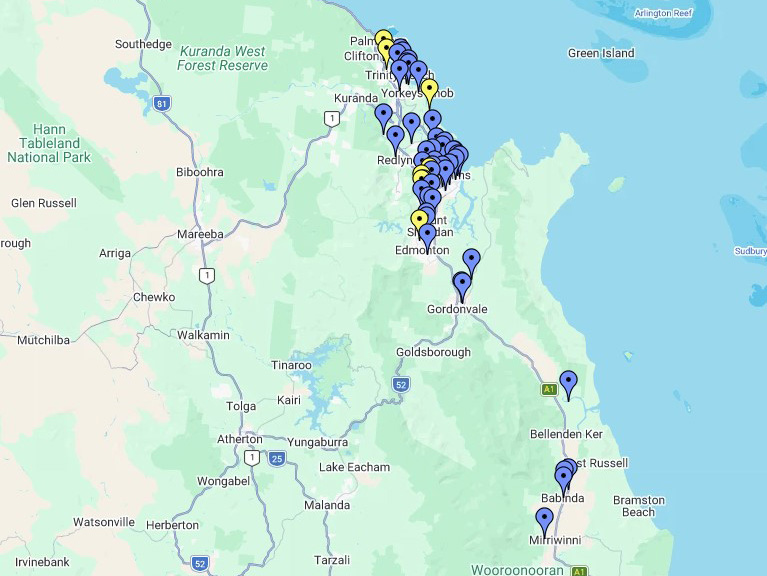
Friendlier and safer community spaces, coastal protection and smart water meter upgrades are being delivered across the Cairns region....
22 October 2026