Dingoes
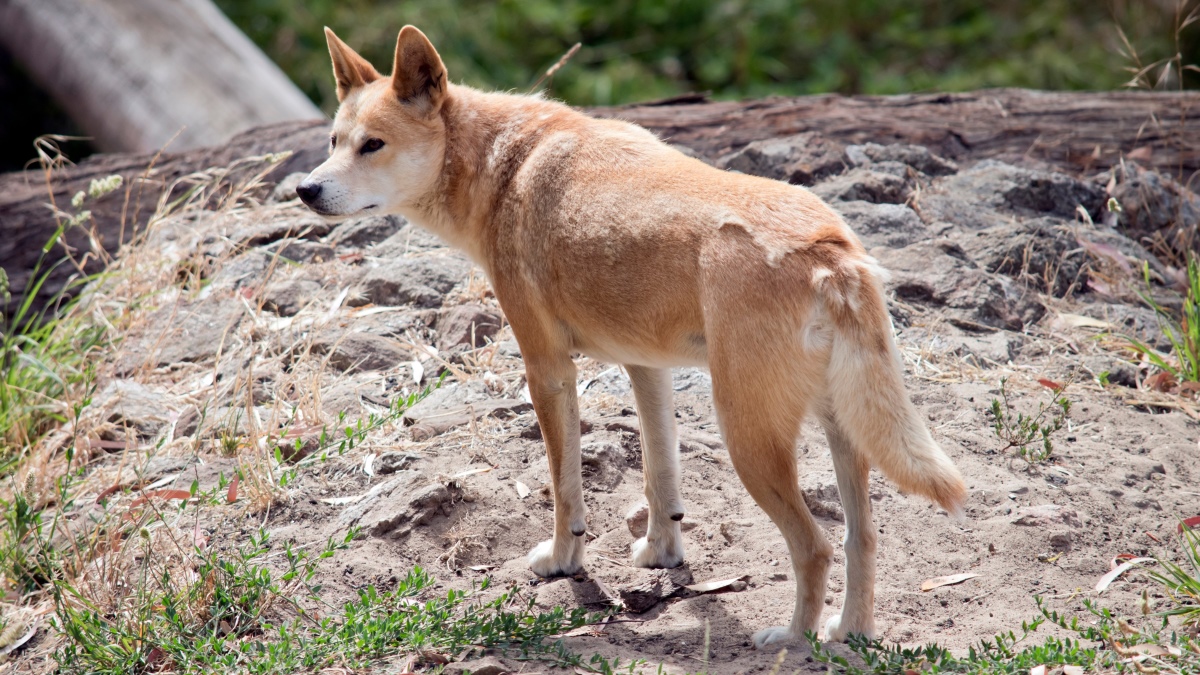
The dingo is a canid related to wolves and coyotes. It is not considered part of Australia’s ancestral fauna. However, it is believed to have arrived in Australia around 3,500 to 4,000 years ago.
Dingoes are widespread in both the agricultural and natural landscapes in the region but tend to be localised on farmland and rainforest areas, with movements depending on home ranges, food availability, habitat conditions and seasonal factors.
Over time, domestic dogs have escaped or been released into the wild, leading to crossbreeding with dingoes. The extent of crossbreeding is currently under active research and the place of dingoes in the landscape is under significant debate.
These resulting hybrids are commonly referred to as wild dogs. The term "wild dog" often encompasses both purebred dingoes, dingo hybrids and feral dogs.
Since early European settlement in Australia, dingoes have been viewed as serious predators of domestic livestock. Most known dingoes in the region are not considered to be problematic, but in areas of human interaction, have been an issue.
Wild dogs are known to prey on livestock, native wildlife, and domestic pets. Dingoes will prey on small native animals and may assist maintaining healthy populations of animals like wallabies. In agricultural areas it is commonly thought that dingoes contribute to rat and other vermin control.
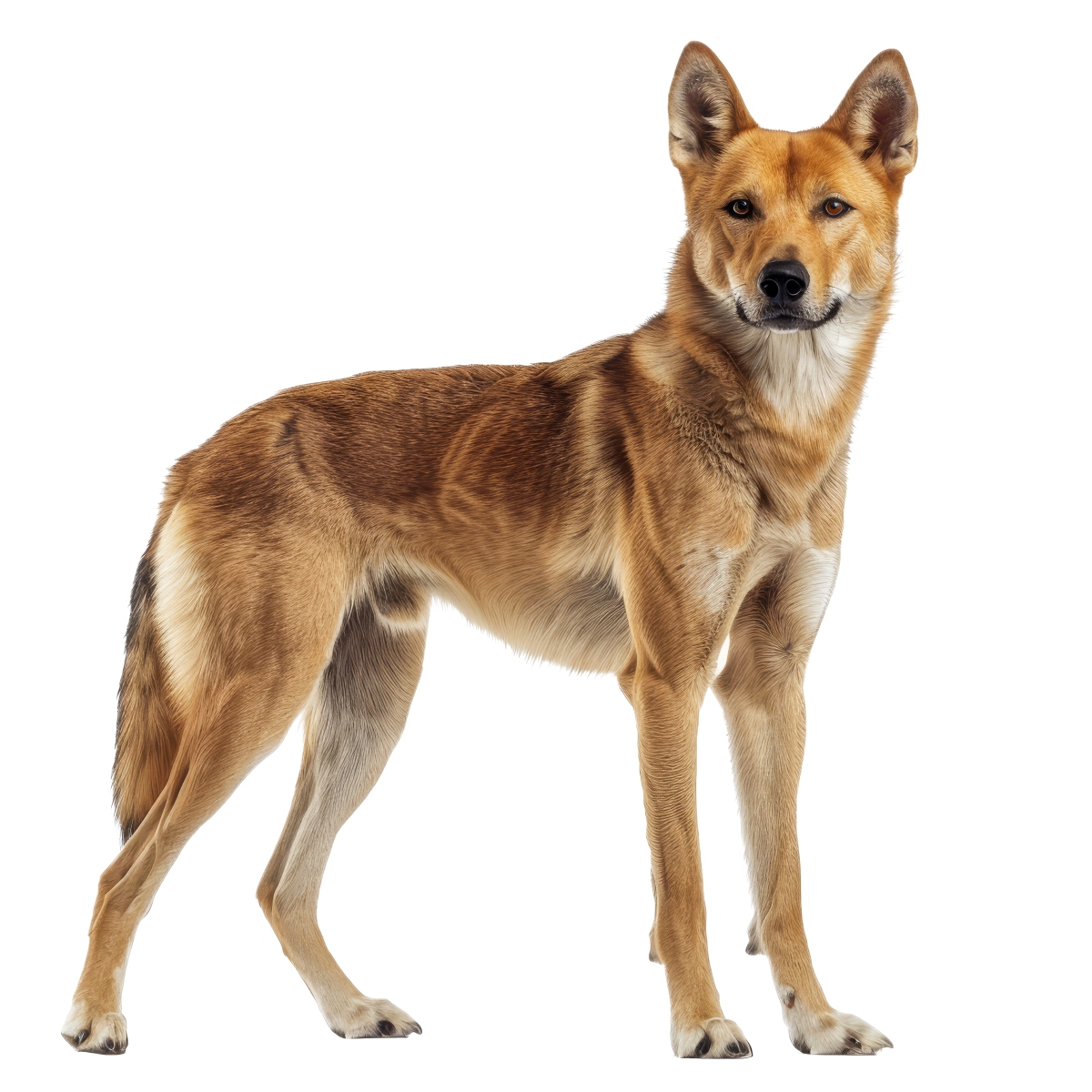
As the largest mammalian carnivore remaining on the Australian mainland, the dingo plays an important ecological role. Females typically weigh about 12 kg, while males weigh around 15 kg. It is not uncommon to see white, black and tan or solid black dingoes.
Many reports of dingoes received by Council are domestic dogs with golden colouration and kelpie like features. Colour should not be treated as a sole good indicator that any animal is a dingo.
Are dingoes protected?
Dingoes are considered native wildlife under the Nature Conservation Act 1992 and are protected in national parks and conservation areas.
In Queensland outside protected areas, dingoes are classified as a restricted invasive animal under the Biosecurity Act 2014 and must not be moved, fed, given away, sold, or released into the environment without a permit.
The Act requires everyone to take all reasonable and practical steps to minimise the risks associated with invasive plants and animals in line with their activities and the risk associated. This is called a general biosecurity obligation (GBO).
Are dingoes dangerous?
Although dingoes can pose a danger to humans, attacks are statistically quite rare. The likelihood of aggressive behaviour increases significantly in dingoes that have become familiar and habituated to humans due to feeding or direct interactions with people.
In the rare event of being attacked by a dingo:
- Call Triple Zero (000) for emergency services.
- For all non-urgent medical assistance, call 13 12 33 (Queensland Ambulance Service).
- Report any incident of aggressive dingo behaviour to Cairns Regional Council on 1300 69 22 47 and non-urgent issues can also be reported on the Council “Report a Problem” website or the “My Cairns” App.
Be dingo-safe!
- Never feed dingoes. Feeding dingoes makes them lose their fear of humans and encourages them to approach houses and people.
- Stay close to children. Dingoes can move quickly, always stay within arm’s reach of children and teenagers. Children cannot be relied upon to know or remember what to do if threatened by dingoes.
- Walk in groups and carry an object: such as an umbrella or walking stick to use to keep dingoes at a distance.
- Do not run. Running or jogging can trigger a negative dingo interaction. If a dingo approaches, stand tall, face it, maintain eye contact, and calmly back away.
- Secure all food and rubbish.
Mating Season, Howling & Hunting
Dingoes exhibit increased territorial behaviour during mating season, which runs from March to May. This includes dominance testing and aggression towards domestic dogs. Males may travel greater distances from their home range in search of a mate and may display aggressive behaviour towards domestic dogs during this time.
Pupping season occurs from June to August, and it is essential to never approach a den that contains pups.
You might hear howling in your area, especially at night. Dingoes use howling to locate their pack members, warn off other wild dogs seeking territory, and attract potential mates.
Dingoes hunt either alone or in cooperative packs, depending on the size of the prey. They primarily hunt at dawn, dusk, and during the night, communicating with howls rather than barking.
Keep your pets safe
Practice Responsible Pet Ownership
- Ensure your fences are secure. A well-maintained and high fence can help prevent your pet from escaping and protect them from potential dangers outside your yard. Landholders should consider fencing options or guardian animals as preventative options in line with their GBO.
- Always walk your dog on a short leash. Use a sturdy leash, ideally no longer than six feet, to maintain control over your dog during walks. This helps you keep your dog safe from unexpected encounters with other animals.
- Do not approach dingoes. If you encounter dingoes, it is best to keep your distance. Dingoes can be unpredictable and may display aggressive behaviour if they feel threatened. Instead, calmly walk away.
- Never feed dingoes. Feeding wild dogs can lead to dependency on human food, increase their presence in populated areas, and could create a health risk for both the animals and people. It is essential to respect their wild nature and avoid feeding them under any circumstances.
By following these guidelines ( PDF, 3.87 MB ), you can contribute to a safer environment for your pet and the surrounding community.
Last Updated: 20 February 2026
Latest News > All News
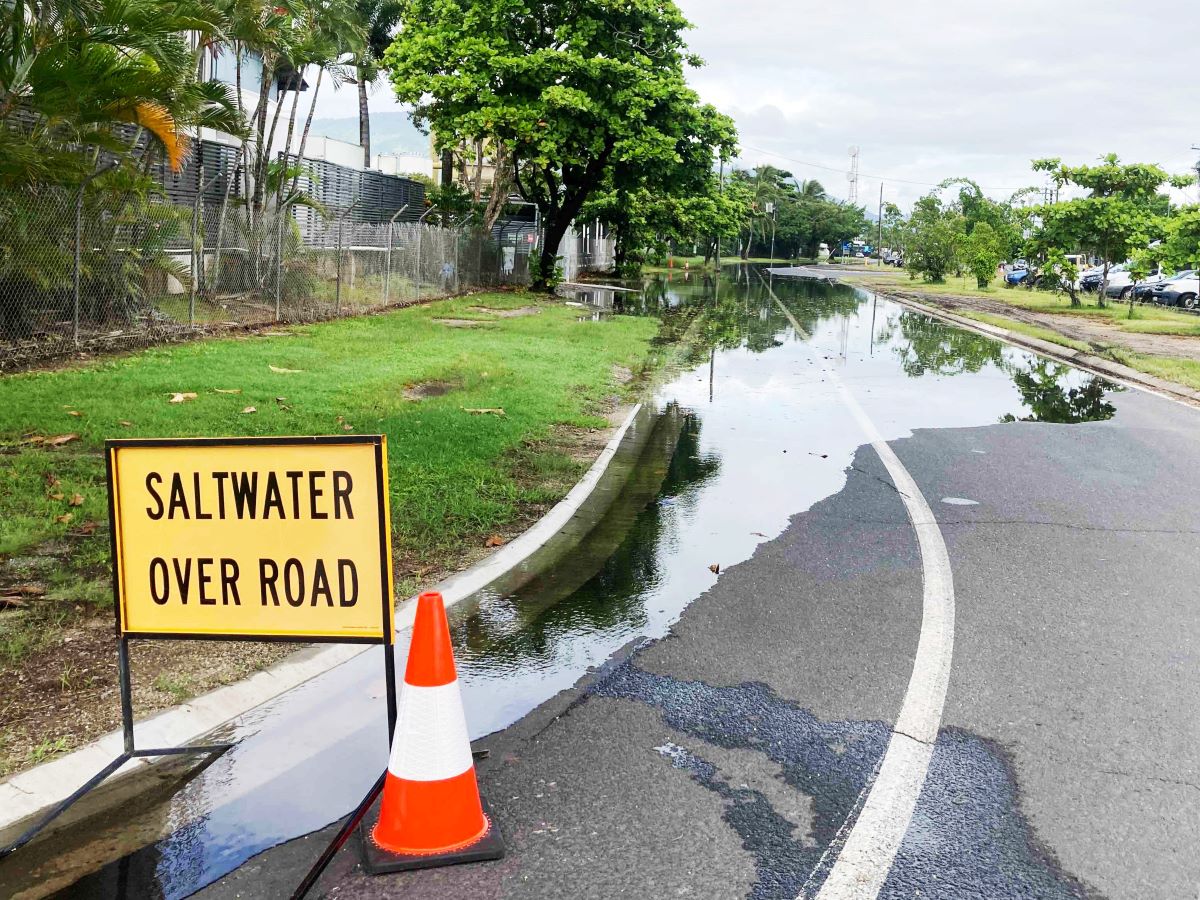
King tides expected in Cairns this week
King tides are expected to affect Cairns from Monday 26 – Wednesday 28 October.These king tides are all expected to...
26 October 2026

It's Cairns' annual cemetery clean-up time
The Cairns community is being encouraged to visit the resting places of loved ones ahead of Council’s annual cemetery clean-ups...
26 October 2026
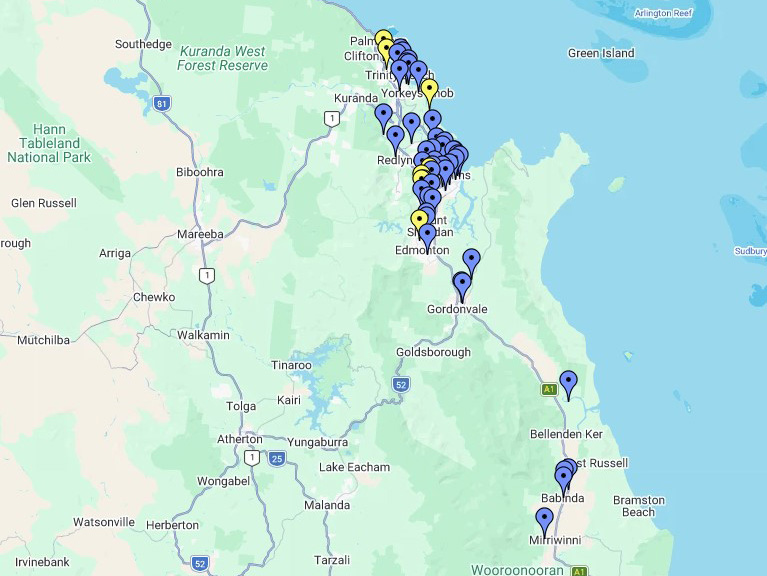
What's happening in your suburb this month?
Friendlier and safer community spaces, coastal protection and smart water meter upgrades are being delivered across the Cairns region....
22 October 2026