Flooding
Flooding is common in Cairns due to our high annual rainfall, geography and large river systems. Most flooding is minor and causes inconvenience such as closed roads and bridges.
If more significant flooding is expected, or in severe cases of flash flooding, you will receive information relevant to your location and may be advised to evacuate.
Flooding is sometimes confused with storm surge. Flooding is fresh water, caused by heavy rainfall. Storm surge is sea water pushed onto land during a cyclone.
Flood cameras
Council has installed flood cameras at known flood inundation areas to provide real time information about flood status. You can view the flood camera feeds on the Cairns Disaster Dashboard.
The Bureau of Meteorology (BoM) issues advice and warnings about potential flooding, taking into account several factors including:
- The amount of recent rainfall in Cairns and in river catchments
- Current river heights
- Predicted rainfall
- Historic flood data
- Local knowledge
The Cairns Disaster Group works with the BoM to determine the possible impact of flooding on local communities and respond to the potential threat.
If a flood watch or warning is issued residents should regularly monitor the Cairns Disaster Dashboard, Cairns Disaster Centre Facebook page, or the Bureau of Meteorology website for up-to-date information and possible evacuation advice.
Flood watch
A flood watch provides early advice of a developing situation that may lead to flooding. It is not a warning of imminent flooding. Flood watches are generally issued for a large geographical area where flooding could occur, up to 4 days ahead, and are updated daily.
Flood warnings
Flood warnings are issued when the BoM is more certain flooding will occur in a specific river catchment and location. They typically include the expected rise in river level and anticipated impact on adjacent / nearby land and communities.
Minor flood warning: causes inconvenience. Low-lying areas next to watercourses are inundated. Minor roads may be closed and low-level bridges submerge. There may be flooding in backyards and buildings below floor level.
Moderate flood warning: more substantial flooding. Main traffic routes may be affected and there can be flooding in buildings above floor level. Evacuation may be required.
Major flood warning: extensive flooding, with many buildings affected above floor level. Parts of residential areas may be isolated and major roads closed. Evacuation may be required.
Flood warnings and river height data is updated as needed, with updates increasing with the expected severity of the flooding. Any anticipated changes in flood status are advised immediately.
Severe weather warnings
If severe weather is expected, for instance unpredictable, intense periods of rain or thunderstorms, a severe weather warning may be issued. These warnings will give information and advice about potential flash flooding and other effects.
In the Cairns region it is common to have flooding in specific areas and not others. These areas may be large, for instance all the northern beaches suburbs, or smaller, for instance Babinda.
If water levels are expected to impact homes, or cause areas to be isolated, residents may be advised to take protective measures, such as sandbagging, or to evacuate.
Be aware that if flash flooding is expected, or river levels rise very quickly, you may be advised to take action or evacuate with little warning.
In general terms, evacuation advice will be issued by street or suburb, in three stages:
Watch and Act: initial advice to be aware of flood risk and monitor Cairns Disaster Group communication for further advice
Prepare to Evacuate: the risk of flooding has increased and residents should begin to prepare to leave their homes
Evacuate: the risk of flooding has increased further and residents should leave the area immediately
Official evacuation advice will be issued on the Cairns Disaster Dashboard, Cairns Disaster Group Facebook page, this website, ABC radio and local TV news bulletins.
Where to go
If you are advised to evacuate, leave immediately. Don’t wait.
When issuing evacuation advice, the Cairns Disaster Group will provide information on evacuation routes that avoid flooded roads or roads that could soon be flooded.
If an area is at risk of being isolated by flood waters, you may be advised to travel to a designated area on higher ground and wait for authorities to arrange transport out of the area.
Self-evacuation
It can take several days for flood water to recede and you are allowed home, so if possible and safe to do so, your best and most comfortable option is to stay with friends and family outside the affected area.
Places of refuge
If needed, places of refuge will also be opened. Places of refuge are designed to accommodate as many people as possible and provide very basic services.
Prepare your home
If a Prepare to Evacuate advice is issued:
- Secure loose items including rubbish bins, garden tools, sports equipment and outdoor furniture
- Unplug electrical equipment
- Move household items and valuables to higher places
- Keep refrigerator and freezer doors closed, so food stays cool if power goes out
- Sandbag areas at risk of flooding including drains inside the house to help prevent sewerage overflows
- Boil tap water in case of contamination
Before you leave
If an evacuation advice is issued:
- Dress appropriately – basic, sensible clothing, strong footwear and a raincoat
- Load your car quickly
- Lock up your house
- Switch off electricity, gas etc
- Beware of fallen power lines
It's important to continue to shelter in place until you receive official information it is safe to go outside. Do not turn on electricity, gas or water until suppliers have advised it is safe to do so.
Returning home
It can take several days for flood waters to recede. When safe, emergency services will conduct Rapid Damage Assessments of properties and advise residents when it is safe to return to their homes.
Do not return to your home until you have been advised it is safe.
Places of refuge
Places of refuge will be opened (or remain open) for people who are unable to stay in their home or have nowhere else to go.
These facilities are designed to accommodate as many people as possible and provide basic services.
Evacuation centres will be established to provide more comfortable, longer term accommodation options in situations where homes have become inaccessible or unsafe.
Recovery hubs
Recovery hubs will also be opened. These hubs will bring together government agencies, insurance companies and other support services so residents can access assistance.
The Cairns Disaster Group will announce locations of these facilities. For information go to the Cairns Disaster Dashboard, the Cairns Disaster Centre Facebook Page or the news section of this website.
Residents who are frail, aged and/or have a disability should refer to their Person-Centred Emergency Preparedness (P-CEP) Toolkit.
People are the best experts at knowing what they need. P-CEP can help people who are ageing at home, have a mental illness, a chronic health concern, and other support needs.
P-CEP was co-designed by people with disability, carers, community organisations, emergency services, and researchers. But as a tool, it can be used by anyone or any household.
Council is committed to working with all people to increase personal awareness, resources, and ability to prepare for and weather any crisis in their life, including natural disasters.
We need to support everyone in our communities to build their self-reliance.
These flood maps show what’s known as a one-in-100-year flood – an extreme weather event generating very high rainfall over a short or sustained period of time.
They are an indication only, based on flood modelling used for planning purposes. They can not be used to determine your overall flood risk or used for insurance purposes.
These maps are provided to help residents gain a high-level view of water inundation in their local area, and help plan evacuation routes to leave a low-lying area if flooding is imminent.
If flooding is predicted, the Cairns Disaster Group will issue evacuation advice for streets or suburbs that are at threat, including recommended evacuation routes to avoid roads that are flooded or likely to be flooded (see the evacuation section above).
1% AEP Predicted Flood Inundation Maps
- Barron - Smithfield ( PDF, 1.54 MB )
- Cairns Northern Beaches ( PDF, 0.69 MB )
- CBD - North Cairns ( PDF, 0.98 MB )
- Freshwater - Stratford - Aeroglen ( PDF, 1.59 MB )
- Gordonvale - Goldsborough ( PDF, 0.45 MB )
- Inner Suburbs ( PDF, 2.4 MB )
- Mount Peter ( PDF, 0.78 MB )
- Portsmith - Woree Industrial ( PDF, 0.61 MB )
- Redlynch Valley ( PDF, 0.76 MB )
- White Rock - Edmonton ( PDF, 1.23 MB )
You can request an individual property assessment by contacting Council - fees and charges apply.
Flood Zone and Storm Tide Information Request
A Flood Zone and Storm Tide Information search typically provides the following information:
- Range of ground levels
- 1% AEP flood and storm tide levels sourced from either Council or State Government resources
- Information to assist with determining habitable floor levels.
To request a flood search download the Land Record Search Request Form ( PDF, 0.86 MB ) and submit it to Council or complete a request form online.
The Cairns region is a beautiful, tropical area that faces vulnerability to natural disasters. With mountains to the west and large catchments supporting rivers, creeks, and low-lying coastal areas, many residents are likely to experience flooding in their lifetime.
Each year, Cairns experiences flash flooding, where water levels rise rapidly in drains, creeks, and rivers. Flooding can also be localised, affecting some suburbs while leaving others dry.
Council is committed to ensuring our community is aware, prepared and capable of enhancing their resilience to future storm and flood events.
The Building for Flood Resilience guide ( PDF, 1.94 MB ) is designed to assist you in making informed decisions for better flood resilience as you rebuild, retrofit, or design a new home or business.
Increasing your flood resilience involves altering the way you rebuild or retrofit, potentially reducing damage in future floods. While it may not be possible to completely avoid flooding in some areas, implementing flood-resilient design and materials can minimise disruption to life and work during and after a flood event.
Don't just replace 'like for like.' A flood-resilient building doesn't have to be expensive; it's all about making smart choices.
Last Updated: 5 January 2026
Latest News > All News
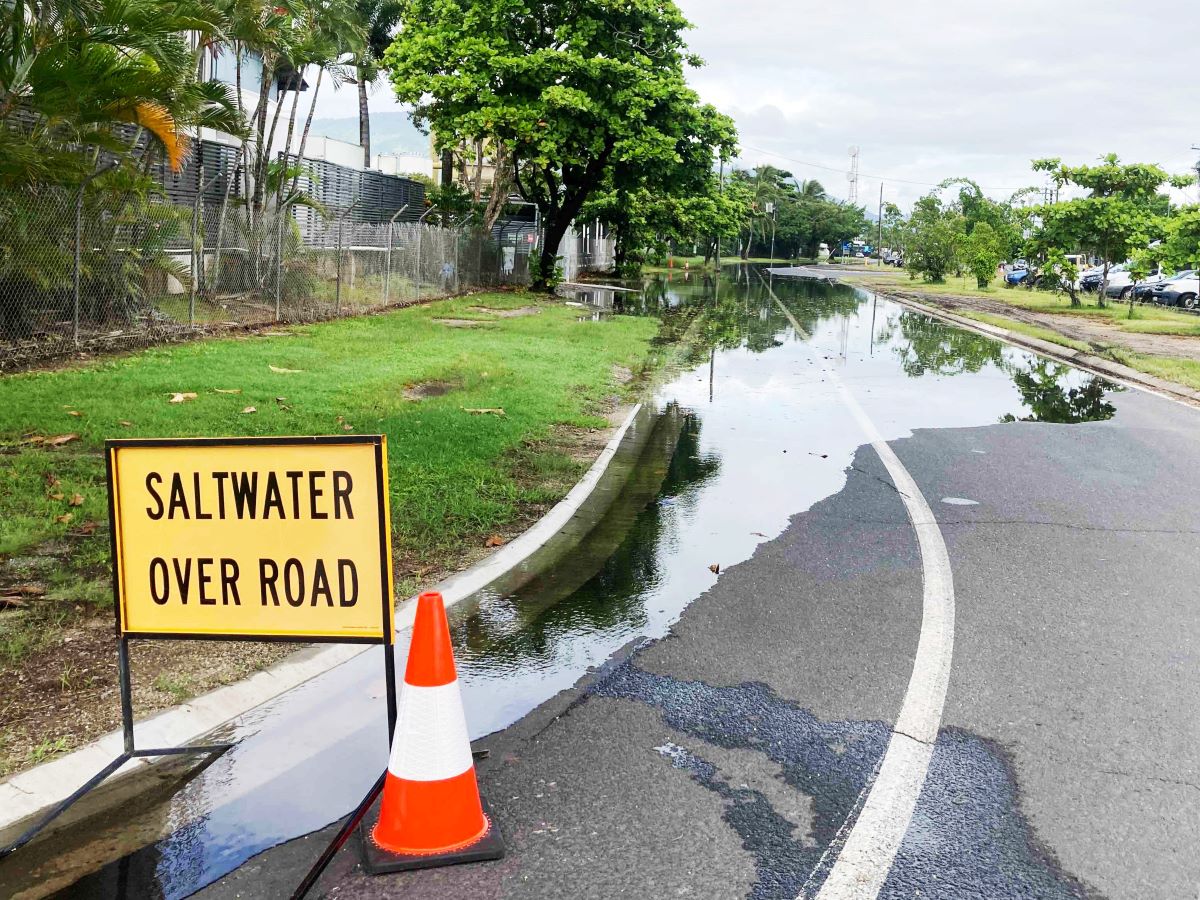
King tides expected in Cairns this week
King tides are expected to affect Cairns from Monday 26 – Wednesday 28 October.These king tides are all expected to...
26 October 2026

It's Cairns' annual cemetery clean-up time
The Cairns community is being encouraged to visit the resting places of loved ones ahead of Council’s annual cemetery clean-ups...
26 October 2026
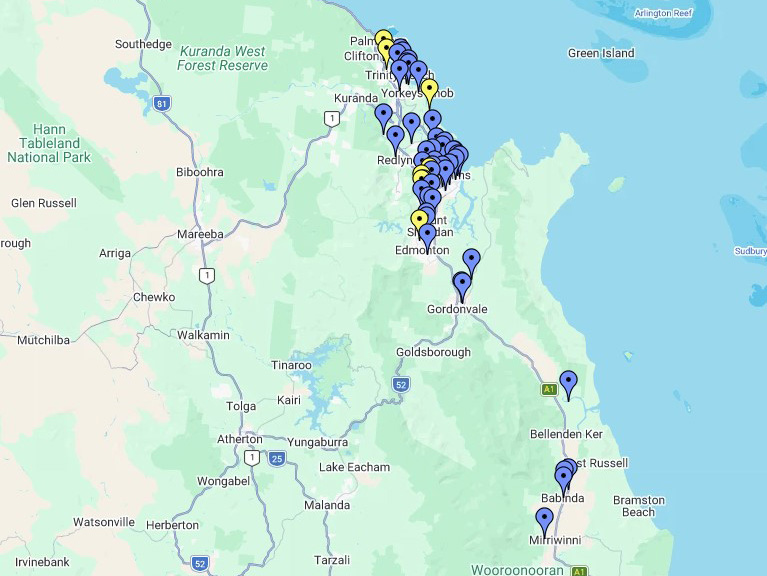
What's happening in your suburb this month?
Friendlier and safer community spaces, coastal protection and smart water meter upgrades are being delivered across the Cairns region....
22 October 2026