Wallabies
Agile Wallaby
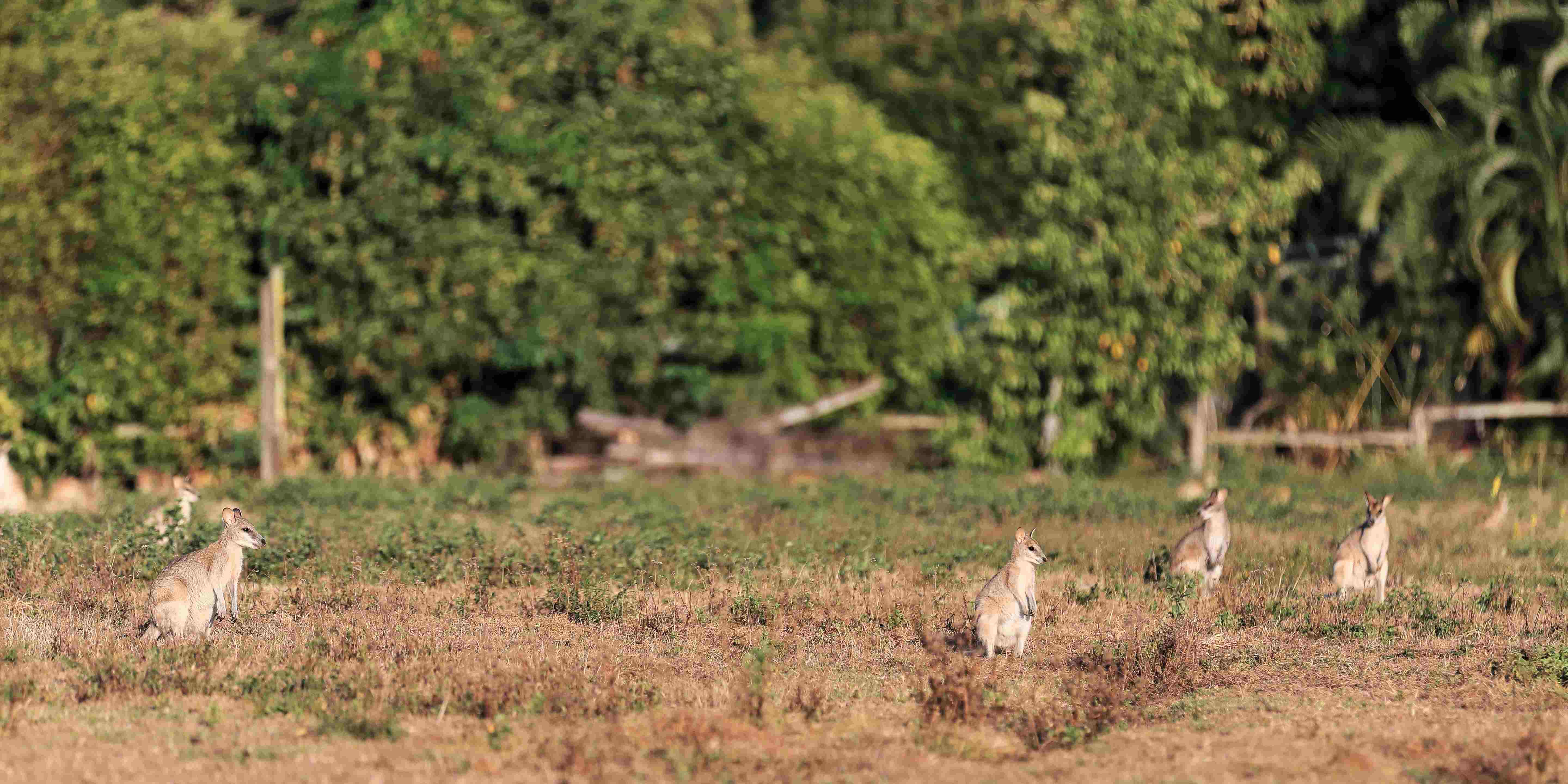
The scientific name of the agile wallaby is (Macropus agilis), and it is commonly known as the sandy wallaby. This wallaby is the most prevalent species found in northern Australia. The agile wallaby is the most common macropod in northern Australia. The term "macropod" refers to a family of animals that includes kangaroos.
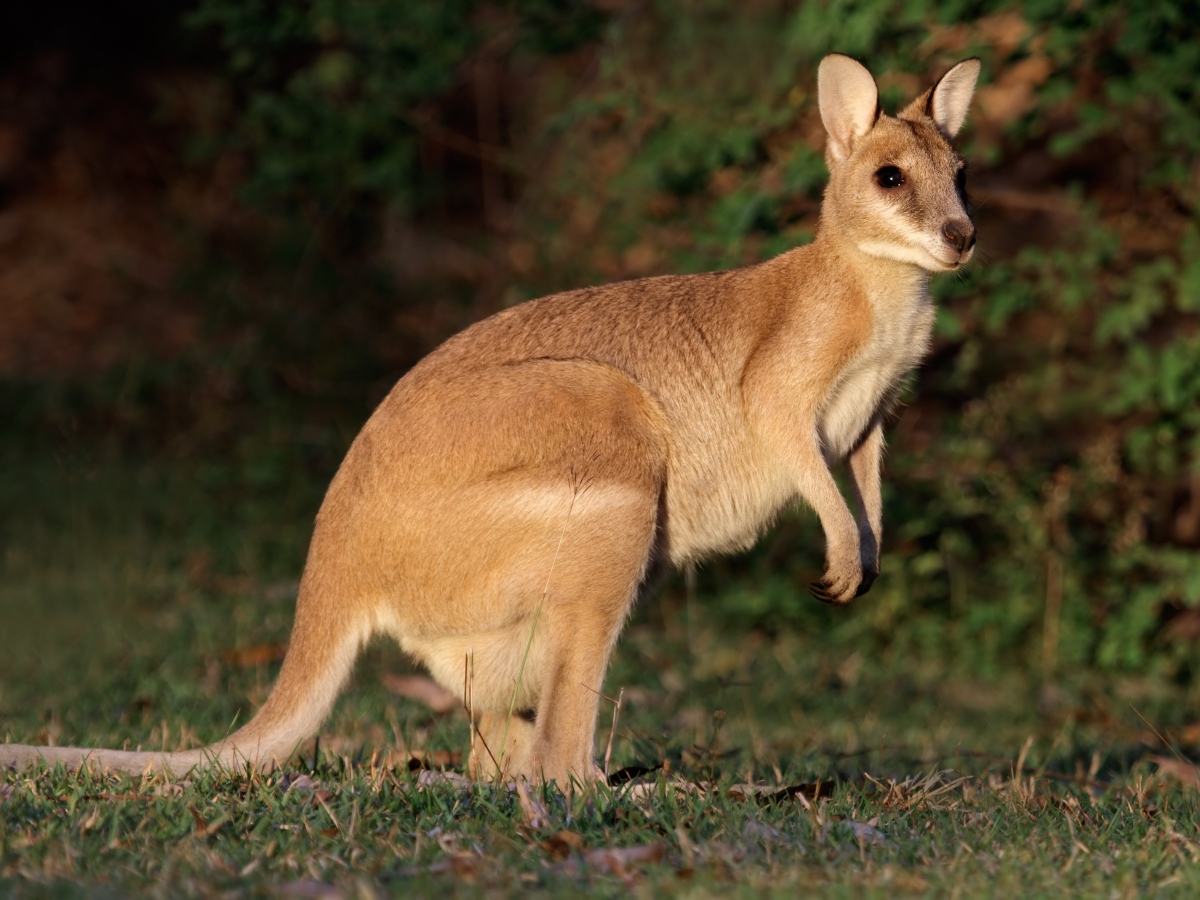
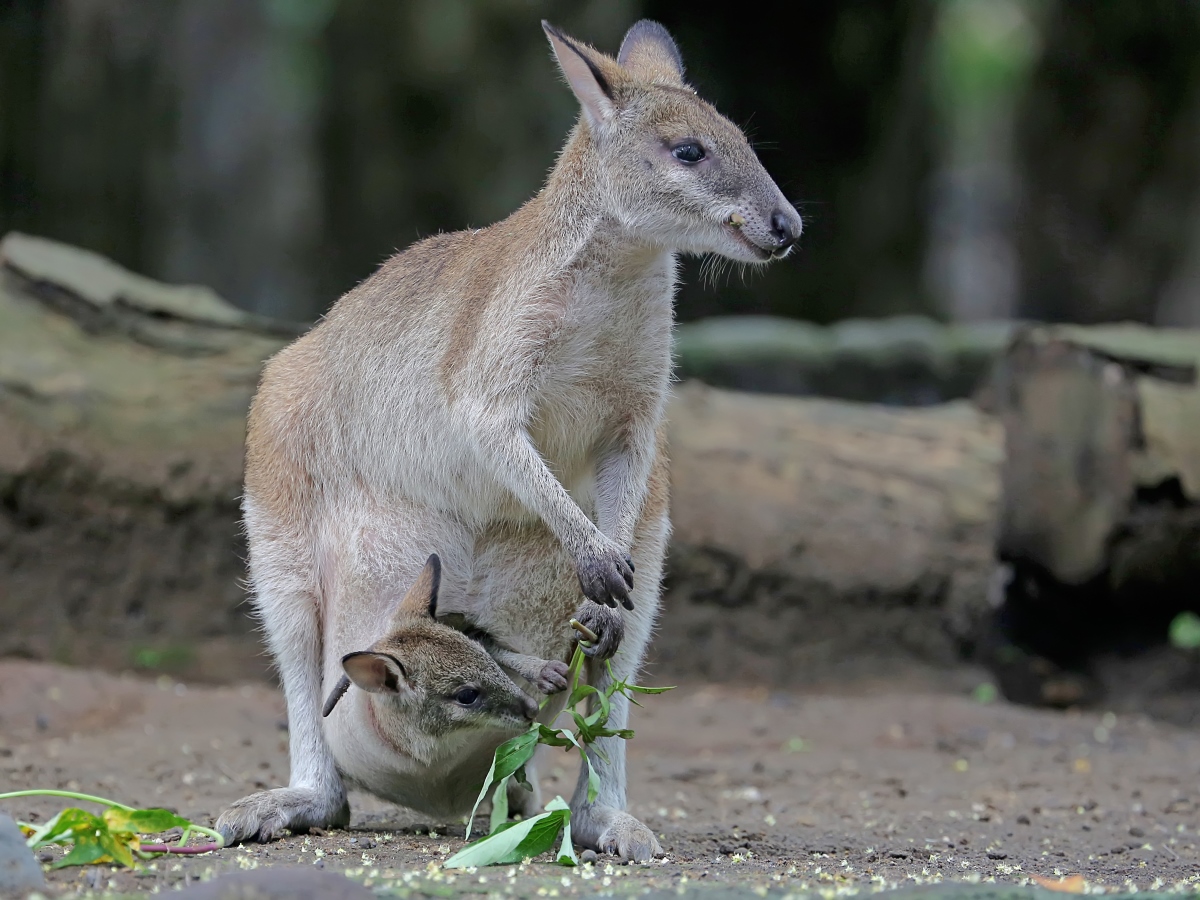
Agile wallabies have a body length of up to 80 cm, with their tails being roughly the same length. Typically, females are smaller than males. They can be identified by a white stripe on their thighs and a dark stripe on their cheeks. As members of the 'macropod' family, which means 'big-foot,' wallabies possess strong back legs and long feet. They hop on their hind legs for speed, using their tails for balance. Wallabies are smaller than kangaroos, which are the largest members of the macropod family.
Information for Residents
If you have Agile wallabies in your neighbourhood, the information below provides some helpful tips.
Wallabies often move at dusk and dawn to forage for food (mainly grass) and rest during the day. These movements occur in low light, which can be an issue as they overlap with peak commuting times.
To keep wildlife safe and prevent collisions:
- Reduce your speed when driving past parks, paddocks and bushland, especially during peak times such as early morning, dusk and nighttime.
- Stay alert, drive carefully and be aware of any movement on the side of the road to give yourself enough time to react. Animals can be fast and unpredictable.
- Pay attention to the roadside and look out for animals’ eye shine.
- Avoid swerving if an animal has already entered your path and you can't safely stop. Try to brake firmly and maintain control of your vehicle rather than veering off-road.
Watch out for wallabies
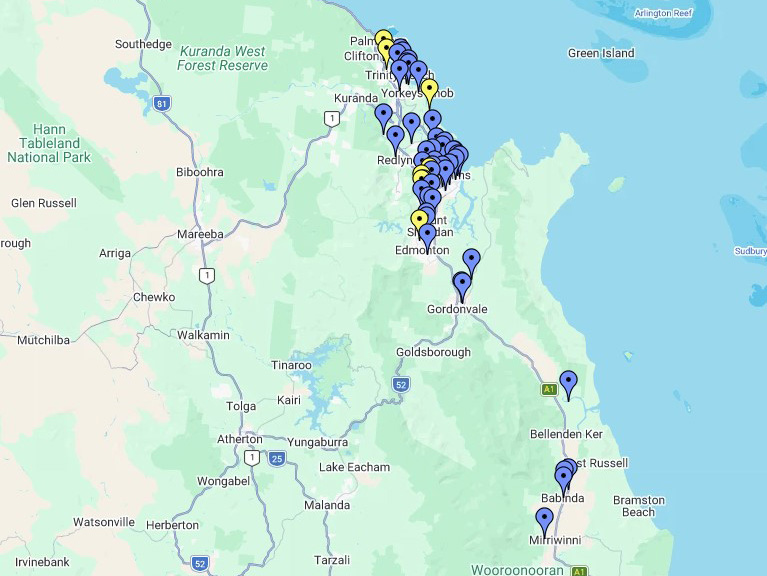
The agile wallaby is a species commonly found in your local area. Wallaby movement across our roads is significantly influenced by seasonal and behavioural patterns. During winter and times of drought, they often graze on roadsides and footpaths. The peak movement times for these animals occur at dawn and dusk in the winter months and we observe higher mortality rates on our roads from May to July.
One reason for their high mortality is their erratic and unpredictable movements when disturbed. This behaviour can cause them to suddenly jump in front of unsuspecting motorists.
If you see a wallaby
If you see a Wallaby near you while driving, reduce your speed, dim your headlights if they are on high-beam and sound the horn. Wait for the animal to move away before continuing. Remember, animals might not be alone and they can behave erratically when threatened – expect the unexpected.
If you do hit a Wallaby, or find an injured or dead Wallaby
IF SAFE TO DO SO, please stop and check if the animal is injured, treat it with caution, respect, and care.
Please call The Agile Project Wildlife Rescue 0467 022 358.
Do not feed wallabies
Feeding Agile Wallabies (Macropus agilis) or any native or wild animals is strongly discouraged for their safety and yours. While they may appear friendly, hand-feeding leads to several negative consequences:
Why Feeding is Harmful:
- Human foods like bread, fruit, and crackers are high in sugar and lack the fibre wallabies need. Eating soft foods like bread can cause "Lumpy Jaw," a painful and often fatal bacterial infection caused by grains or twigs puncturing gums softened by an unnatural diet.
- Many human foods ferment in their gut, causing bloat, diarrhea, and severe dehydration.
- Feeding wallabies near roads or campgrounds encourages them to frequent areas with high vehicle traffic, significantly increasing their risk of being hit by cars.
- Never attempt to feed an orphaned joey cow's milk; the lactose is toxic and can cause death. Contact a local wildlife group like The Agile Project – Wildlife Project if you find a joey in need.
- Animals used to being fed become habituated, approaching people for food, and potentially becoming aggressive, particularly male wallabies.
How to reduce wallabies at your property:
Agile wallaby (Macropus agilis) populations are highly sensitive to food availability and increases in high-quality grass often lead to rapid population surges. The availability of high-quality grass through front lawns and nature strips has resulted in a large population on the Northern Beaches.
How Grass Availability Drives Population Growth
- Improved or fertilised pastures in their native area have higher nitrogen and nutrient levels compared to native grasses. This high-quality diet allows for earlier sexual maturity and higher fecundity.
- Agile wallabies are opportunistic breeders. Their reproduction is most successful when pastures are flush with nutrients, and abundance can lead to continuous breeding throughout the year.
- High rainfall leading to strong grass growth significantly boosts the carrying capacity of an area, allowing local populations to swell - sometimes increasing from sustainable numbers to overpopulation in a short period.
Agile wallabies typically do not like to eat Zoysia grass, specifically certain varieties like Native Zoysia. Because of this, it is often recommended for use in areas where wallaby activity is high to reduce their attraction to roadsides and urban developments.
Why Zoysia is Effective
- Cairns Regional Council has intentionally planted Zoysia along the roadside because it is a species they are known to dislike eating.
- Zoysia varieties are tough and have deep rhizomes, which make them highly resistant to damage if wallabies or other wildlife attempt to graze on them.
- By planting unappealing turf like Zoysia near busy roads (e.g., Trinity Beach Road), authorities aim to keep wallabies away from traffic, thereby reducing wallaby-vehicle collisions.
It is recommended that if you are considering changing the species of lawn grass at your property, you consider a species of Zoysia grass.
Report dog attacks to the Council.
The Council investigates over 800 dog attacks each year. If you have witnessed or been involved in a dog attack, please call Cairns Regional Council at 1300 69 22 47 as soon as possible - available 24 hours a day.
Thank you for helping to keep our wildlife and community safe.
Last Updated: 16 June 2026
Latest News > All News
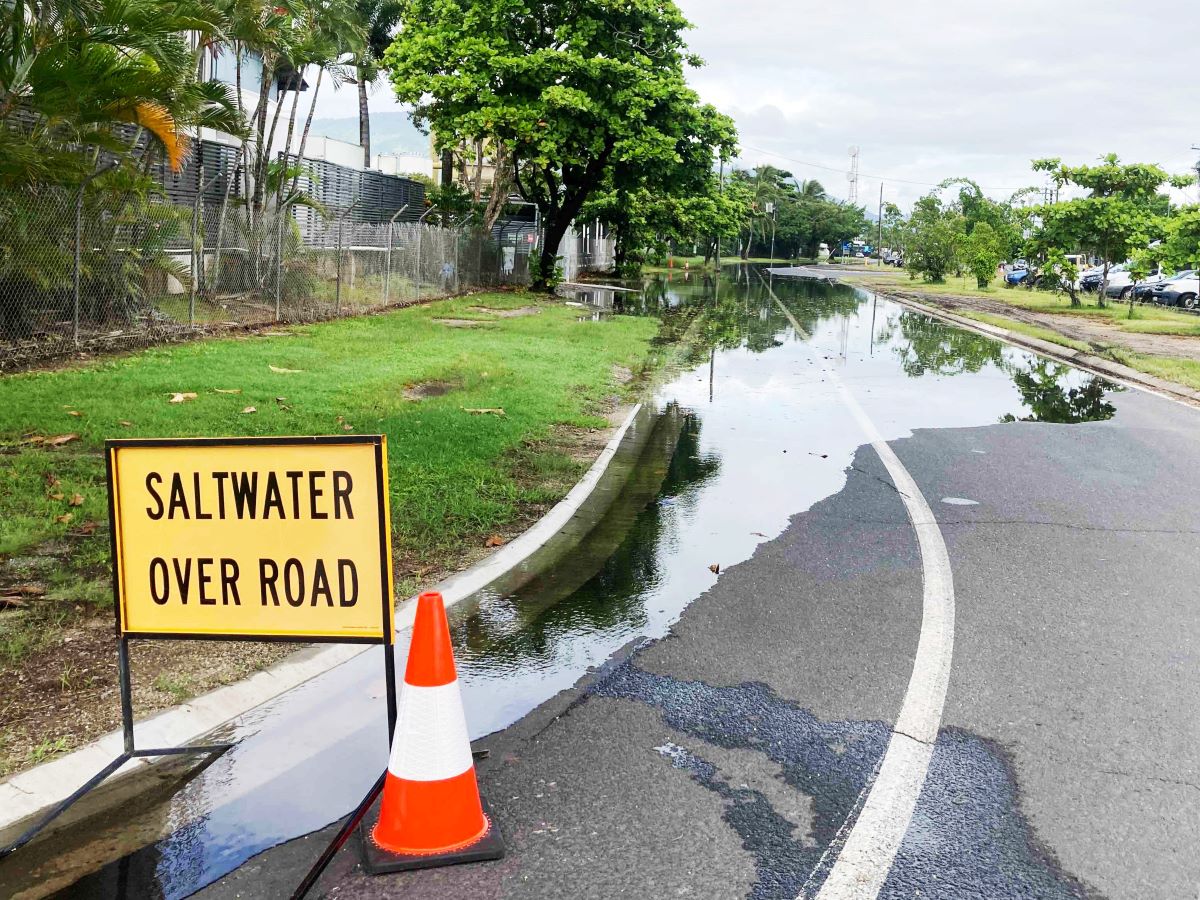
King tides expected in Cairns this week
King tides are expected to affect Cairns from Monday 26 – Wednesday 28 October.These king tides are all expected to...
26 October 2026

It's Cairns' annual cemetery clean-up time
The Cairns community is being encouraged to visit the resting places of loved ones ahead of Council’s annual cemetery clean-ups...
26 October 2026
What's happening in your suburb this month?
Friendlier and safer community spaces, coastal protection and smart water meter upgrades are being delivered across the Cairns region....
22 October 2026