Types of development
Each type of development involves a different application process. A proposed development may involve one or more of the following types of development:
Reconfiguring a lot is often referred to as subdividing a lot, but it also includes:
- subdividing a lot into 2 or more lots
- amalgamating 2 or more lots
- re-arranging the boundaries of a lot
- creating an easement to give access from a road
- dividing land into parts by agreement
Reconfiguring a lot is generally assessable development.
The number and size of lots that can be subdivided depends on land constraints, and the zoning and overlays that apply to the property. Different zones and overlays have different requirements for new lots being created. Levels of assessment also vary between zones and overlays. Subdivision may not be permitted where a property is already at the minimum lot size or density.
Note: Reconfiguring a lot applications may result in an increased demand on water, sewerage, stormwater and movement networks, and may incur infrastructure charges.
A material change of use means a change in the way a property is used. Examples include:
- starting a new use (eg new shops)
- re-establishing a previously-abandoned use
- increasing the intensity or scale of the use of the premises.
Material change of use applications will need to identify the proposed use. Use definitions can be found in Schedule 1.1 of the CairnsPlan 2016(CairnsPlan 2016).
Note: Material change of use applications may result in an increased demand on water, sewerage, stormwater and movement networks, and may incur infrastructure charges.
The Planning Act 2016 defines Operational work as 'work, other than building work or plumbing or drainage work, in, on, over or under premises that materially affects premises or the use of premises'. The works may be on public or private land. It may be required in connection to a development approval for a material change of use or reconfiguring a lot.
Examples include:
- excavating or filling of land (i.e. earthworks, including changes to ground levels for retaining walls);
- civil works for new subdivisions (i.e. connecting to Council and external infrastructure) and other works associated with a Material Change of Use of premises or Reconfiguring a Lot;
- placing an advertising device on premises; undertaking road works on Council roads; and
- modifying the streetscape.
Operational Works approval may incur infrastructure charges.
- Read more on our Operational Works page.
Building, repairing, altering, underpinning (vertical or lateral support), moving or demolishing a building or other structure.
- Read more on our Building and renovating page.
Permit Work requires an application to be lodged with Council. Permit work must be done by a licensed plumber and you (or your plumber on your behalf) must obtain a permit before work commences.
If your project involves building over or near relevant infrastructure - including sewers, water mains, storm water drains and combined sanitary drains - Council must give permission.
- Read more on our Plumbing page.
Last Updated: 18 March 2025
Latest News > All News
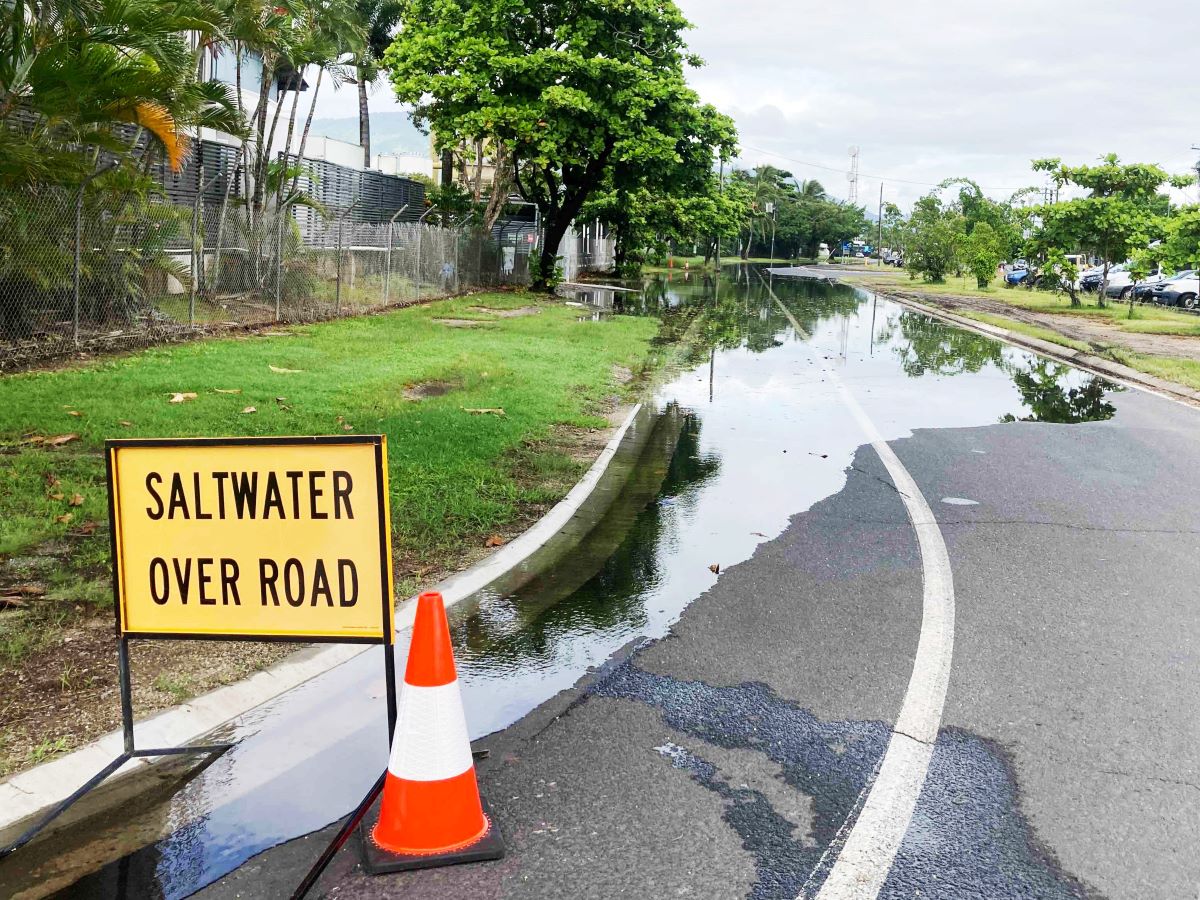
King tides expected in Cairns this week
King tides are expected to affect Cairns from Monday 26 – Wednesday 28 October.These king tides are all expected to...
26 October 2026

It's Cairns' annual cemetery clean-up time
The Cairns community is being encouraged to visit the resting places of loved ones ahead of Council’s annual cemetery clean-ups...
26 October 2026
What's happening in your suburb this month?
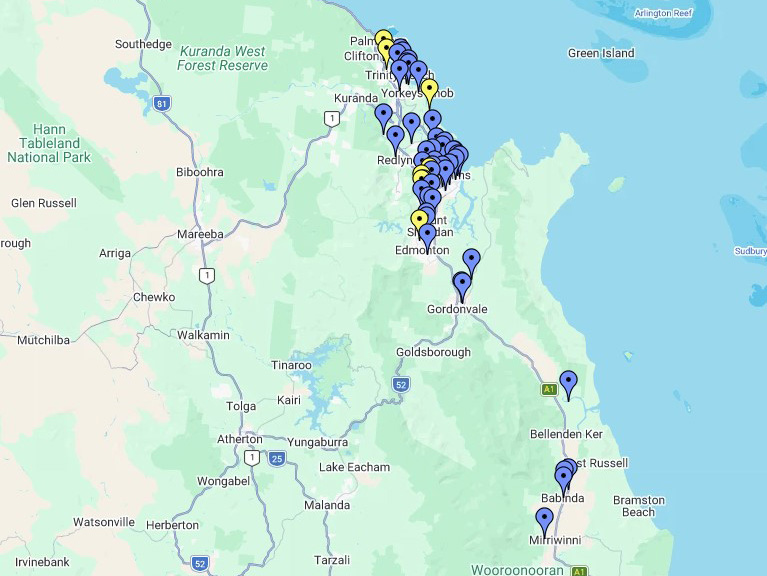
Friendlier and safer community spaces, coastal protection and smart water meter upgrades are being delivered across the Cairns region....
22 October 2026