Operational Works
The Planning Act 2016 defines Operational work as 'work, other than building work or plumbing or drainage work, in, on, over or under premises that materially affects premises or the use of premises'. The works may be on public or private land.
Examples of operational works include:
- Driveways and crossovers
- Road works, including an existing road or new roads
- Clearing vegetation (damage to vegetation)
- Stormwater works, above and below ground
- Water infrastructure (excluding plumbing and drainage work)
- drainage work
- excavating or filling of land (except where Building Work under a Building Permit)
- Sewerage infrastructure (excluding plumbing and drainage work)
- trimming (pruning) and damaging (clearing) vegetation
- landscaping works (typically associated with other Development Permits (MCU, ROL)
- undertaking tidal works (prescribed tidal works)
- Electrical and streetlighting works (typically associated with other Development Permits)
The CairnsPlan 2016 Planning Scheme sets out when Operational Work requires a Development Permit and the requirements to address for Applications. Operational work is a type of Development Permit. Therefore it must be assessed in accordance with legislative time frames prescribed under Development Assessment Rules within the Planning Act 2016.
A development approval is not always required if the proposed development is Accepted Development, subject to requirements, and it complies with the requirements for those works in the CairnsPlan 2016. That is, if your works comply with the requirements, then no Permit is required to be obtained from Council.
However, where development is unable to comply with all the requirements or is listed as Code Assessable in CairnsPlan, then a Permit is required before the works can commence.
Some examples of Operational Work that are Accepted Development, subject to requirements in CairnsPlan include:
- Driveways and Crossovers;
- Excavation and Filling (less than 50m3 in most zones, otherwise less than 25m3);
- Clearing of Vegetation (vegetation damage).
It is very important to check the requirements carefully to ensure you can lawfully complete the works without a Development Permit and also to determine when you require a Development Permit before you start the works.
In many cases, Operational Work Permits are required as a result of a related Development Permit, like a Material Change of Use or Reconfiguring a Lot Permit. In this case, please check carefully the Development Conditions that relate to Operational Work applications or Permits.
The table below helps to identify the types of Operational Work and Permit requirements to check as part of your next project:
| Type of Operational Work | Accepted Development, subject to requirements | Code Assessable |
|---|---|---|
| Road works, including an existing road or new roads | No | Yes |
| Driveway and crossover | Yes | Only where unable to comply with requirements |
Trimming (pruning) and damaging (clearing) vegetation | Yes | Yes - where located in a Place of Significance Overlay. Otherwise, where unable to comply with requirements |
| Stormwater works, above and below ground | No | Yes |
| Water infrastructure (excluding plumbing and drainage work) | No | Yes |
| Drainage work | No | Yes |
| Excavating or filling of land (except where Building Work under a Building Permit) for less than 50m3, or some zones, 25m3 | Yes | Yes - where located in a Place of Significance Overlay. Otherwise, where unable to comply with requirements. |
| Excavating or filling of land (except where Building Work under a Building Permit) for more than 50m3, or some zones, 25m3 | No | Yes |
| Sewerage infrastructure (excluding plumbing and drainage work) | No | Yes |
| Landscaping works (typically associated with other Development Permits (MCU, ROL) | No | Yes |
| Undertaking prescribed tidal works | No | Yes |
| Electrical and streetlighting works (typically associated with other Development Permits for MCU and ROL) | No | Yes |
There are four steps to take to see if you need a Development Permit.
Step 1 – Determine how the Planning Scheme (CairnsPlan) zones your land and what overlays apply. Our free Property Report Tool is the easiest way by simply searching your address.
Step 2 – Review the Table of Assessment – Part 5 of CairnsPlan, for the Zone your property is included in to determine what requirements apply for your Operational Work. The matrix will identify which codes in CairnsPlan apply to the Operational Work as Accepted Development or Code Assessable Development.
Step 3 – Assess if you comply with Accepted Development Requirements to determine if you need to obtain a Permit. If you are unable to comply, then a Code Assessable Permit is required before you start the Works.
If your works are listed as Code Assessable, then a Development Permit is required before you start the Works.
Step 4 – If you meet the Accepted Development criteria, you can commence works.
If you are unable to meet the Accepted Development Criteria, or your development is Code Assessable, then prepare a Development Application to submit to Council to obtain a Development Permit.
If the operational work is not accepted development, you will need to apply for a development permit.
For more information about how to lodge your application, please see Making and Lodging a Development Application.
The fee for lodging a development application will vary depending on the type and size of the development, the category of assessment, and other factors. These fees are set by resolution of Council.
Refer to Council’s Fees and Charges for Development Assessment ( PDF, 0.05 MB ) for more information about fees and payment methods.
Post-approval process
Our step-by-step guidelines and application forms will help you navigate each step for a quicker turnaround time. These forms include any FNQROC forms as required, all in one place. The guidelines are a step-by-step guide to completing the form as well as an excellent source of information about the element of Post Approval you may be applying for.
All applications will be processed in a two-step approach - initial assessment and technical assessment. This will allow greater transparency and consistency for everyone involved. The two-step process allows our technical officers and inspectors to complete more “on the ground” tasks, faster. This will result in more efficient approvals and certifications across the region.
By submitting a complete and compliant application, you will ensure a quicker turnaround time for your approval and your project.
Operational Works Pre-Start
After Operational Works Approval or Planning Approval has been received and prior to construction works beginning, there are several criteria and steps to be completed.
Landscape Plan Endorsement
Information on how to receive a Landscape Plan Endorsement where required under a condition of a Development Approval.
Works Acceptance
A Works Acceptance is required after construction works have been completed, where Council will be accepting ownership of certain assets at the site, for example drains, roads, sewerage and water infrastructure or greenspaces.
Early Plan Sealing
Early Plan Sealing is an option for some developments to enable an early approval of the Plan of Subdivision, prior to full completion of works required for the development, at Council’s discretion.
Landscaping Practical Completion
Information on how to pass a Landscaping Practical Completion Inspection and receive a Landscaping Practical Completion Endorsement.
Final Works Acceptance
Final Works Acceptance Certification is the concluding step in the Post Approval process.
Bonds
Council charges security bonds (payable in cash, cheque or bank guarantee only) for Operational works:
As Constructed Data Certification
Council has adopted the As Constructed Design Certification (ACDC) online solution for the submission of as-constructed information.
Express DA
Express DA is an accelerated assessment initiative offering a simple, faster way to progress low-risk development applications. Development industry representatives can participate by attaining Express DA accreditation.
Vegetation clearing
Trees and vegetation form an integral part of our urban forest. If a property owner wishes to remove or damage any vegetation on their property, a Development Permit for Operational Works (Vegetation Clearing) may be required.
Last Updated: 24 July 2025
Latest News > All News
What's happening in your suburb this month?
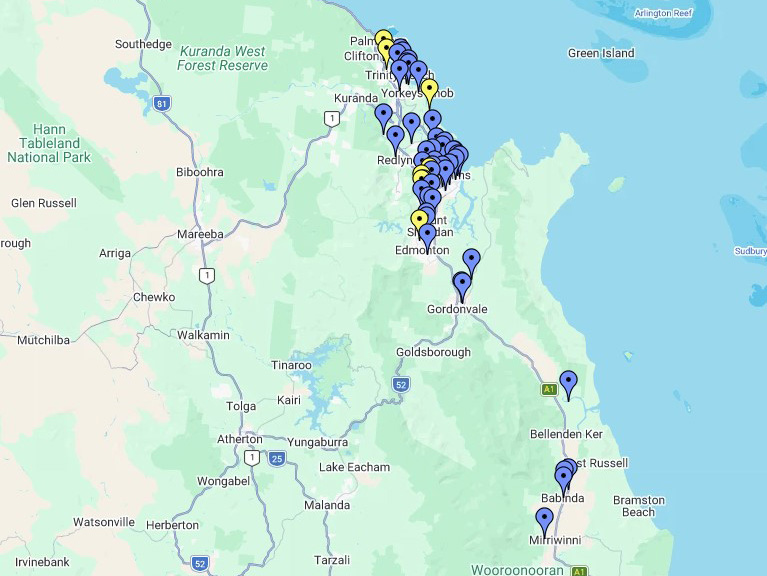
Friendlier and safer community spaces, coastal protection and smart water meter upgrades are being delivered across the Cairns region....
22 October 2026

2027 Australia Day Awards nominations open
Every year, Cairns Regional Council recognises how important it is to acknowledge the people around you who are making a...
22 October 2026
Young innovators lead the way on sustainability
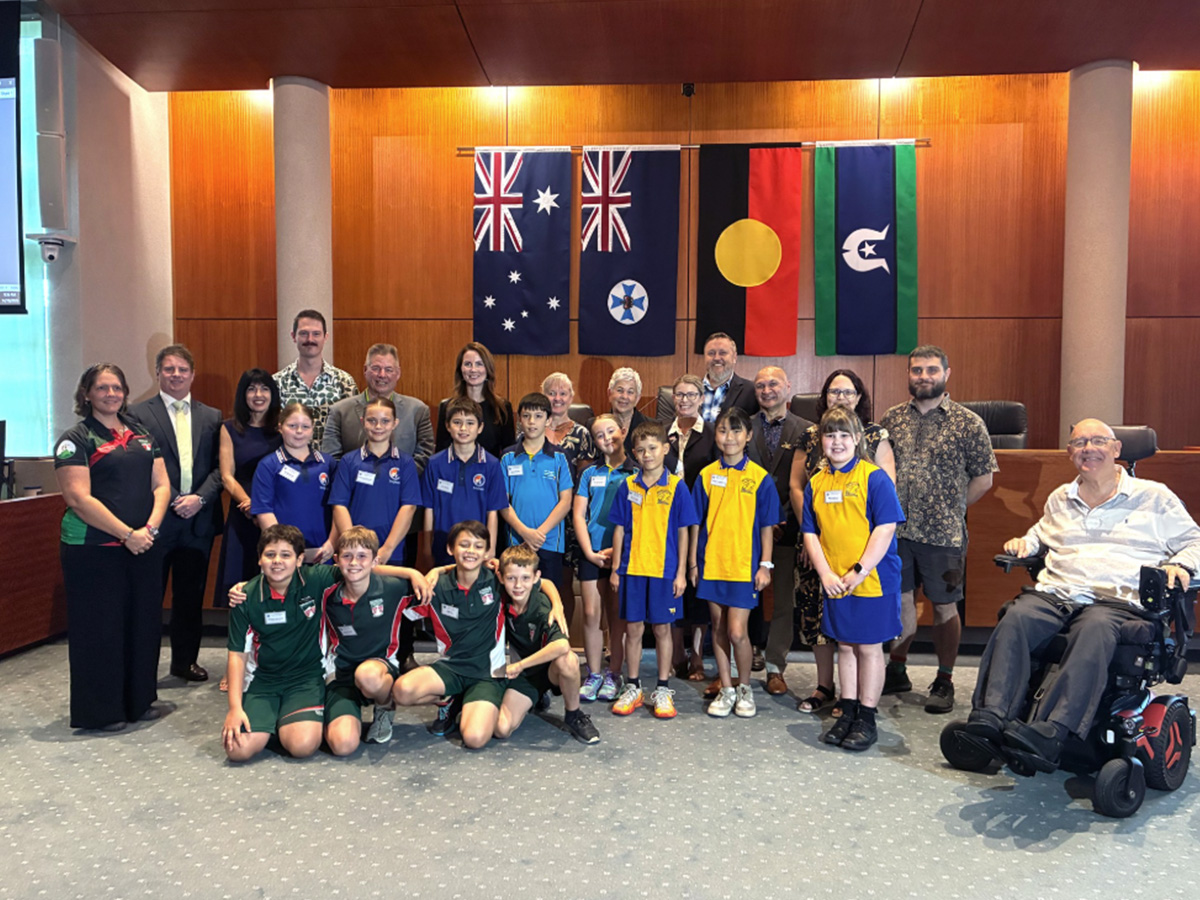
Cairns' next generation of environmental leaders have presented innovative sustainability projects directly to Councillors, showcasing practical solutions to challenges ranging...
20 October 2026