Sinks, drains & toilets
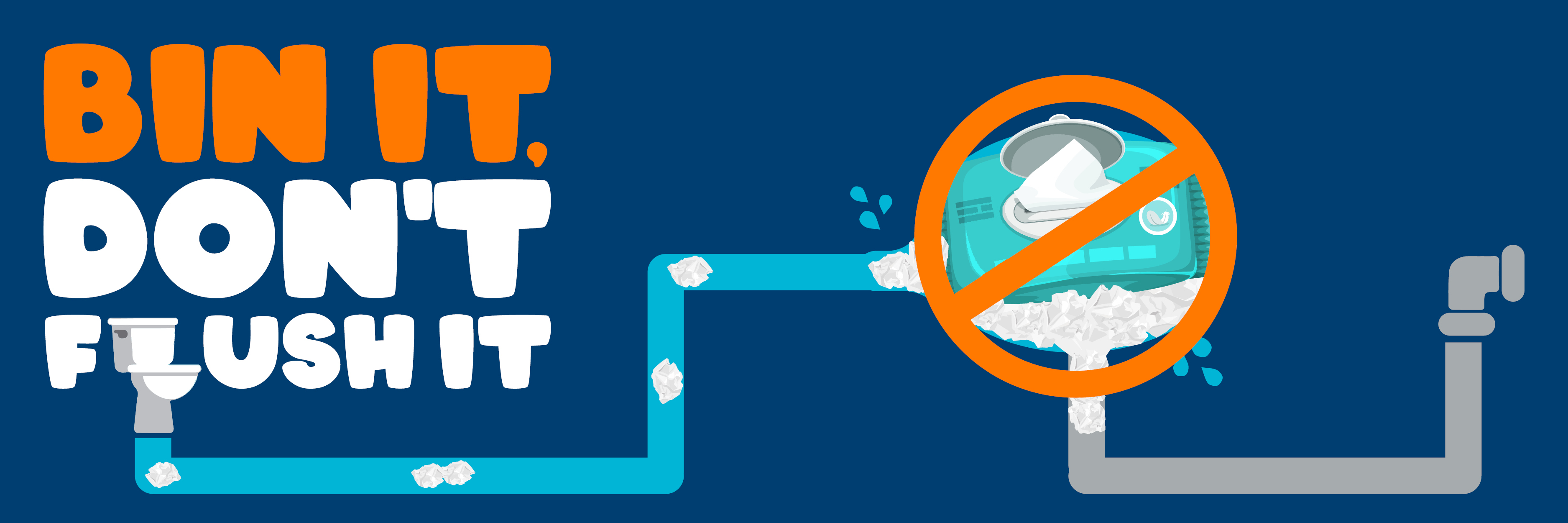
Bin it, don't flush it: wipes block pipes
Everything flushed down the toilet goes through our sewerage systems.
Flushing the wrong things can lead to build-up and cause unwanted nasty blockages in pipes and treatment plants that can come a huge cost to customers and the environment.
We remove hundreds of tonnes of non-flushable products from the wastewater system every year. These blockages are known as 'fatbergs' and what we find most often in fatbergs are wet wipes.
Around 40 per cent of fatberg materials are wipes of all kinds, but our wastewater treatment plant staff also extract medicines, sanitary products, condoms, cloth and many other non-flushable items.
Most wipes are non-flushable - household cleaning wipes, baby wipes and facial wipes should be binned, not flushed.
Only pee, poo and (toilet) paper should be flushed down your toilet.
If you aren’t sure of what to do with unwanted common household items, search our A to Z waste guide.
What should go down sinks and drains?
Only water, non-toxic cleaning products, household washing, dishwashing and cooking water should go down the sink or drain.
Small items or food scraps should go in the general waste bin or the compost and should not be washed down sinks or drains.
Food scraps should go in the general waste bin or the compost and should not be washed down sinks or drains.
Oil, paint and household chemicals can be taken for FREE to Council’s Transfer Stations as they can build-up in pipes and cause blockages if they are washed down the sink.
Search our A to Z Waste and Recycling Guide to find out where to dispose of sanitary products, oils, wipes, chemicals, food scraps and other items that cause problems in our pipes.
Last Updated: 22 December 2022
Latest News > All News

2027 Australia Day Awards nominations open
Every year, Cairns Regional Council recognises how important it is to acknowledge the people around you who are making a...
22 October 2026
Young innovators lead the way on sustainability
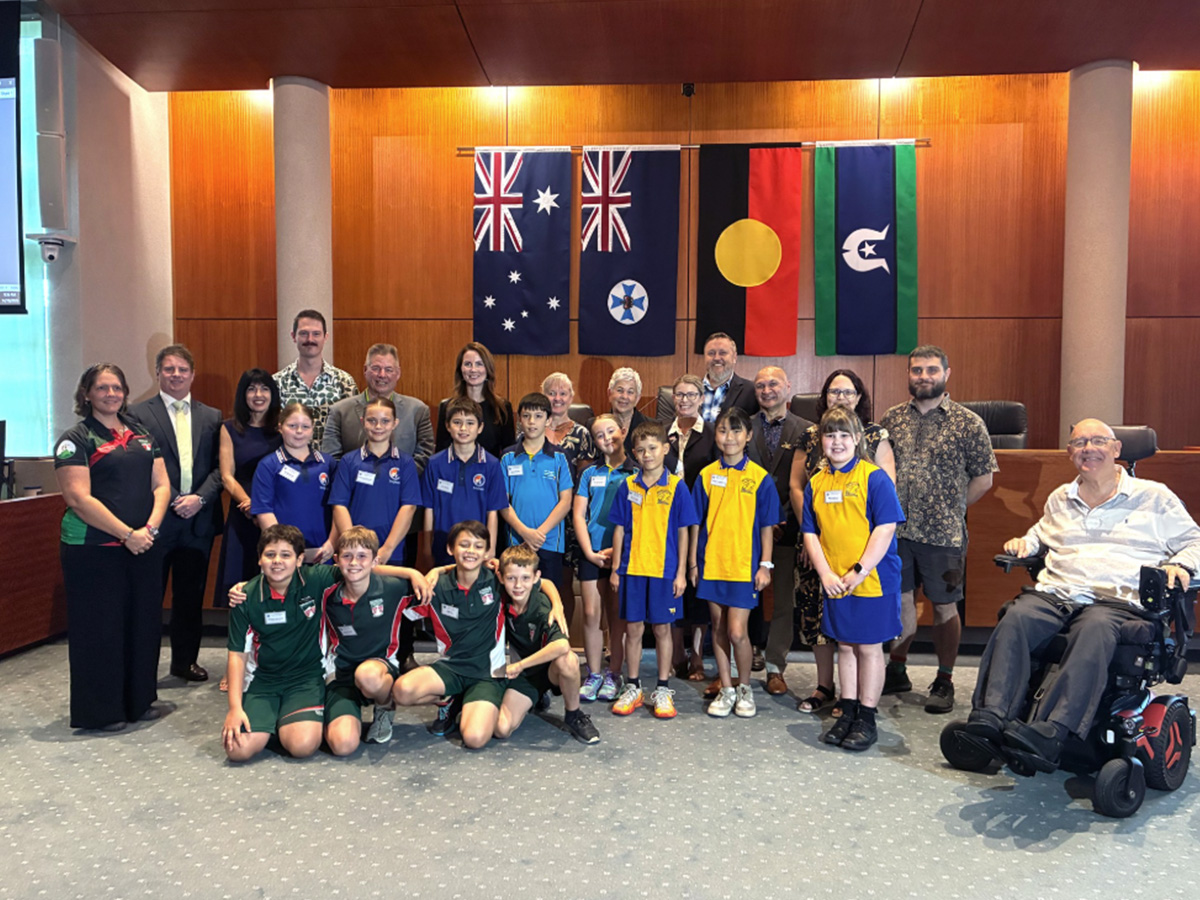
Cairns' next generation of environmental leaders have presented innovative sustainability projects directly to Councillors, showcasing practical solutions to challenges ranging...
20 October 2026
Getting active around Cairns
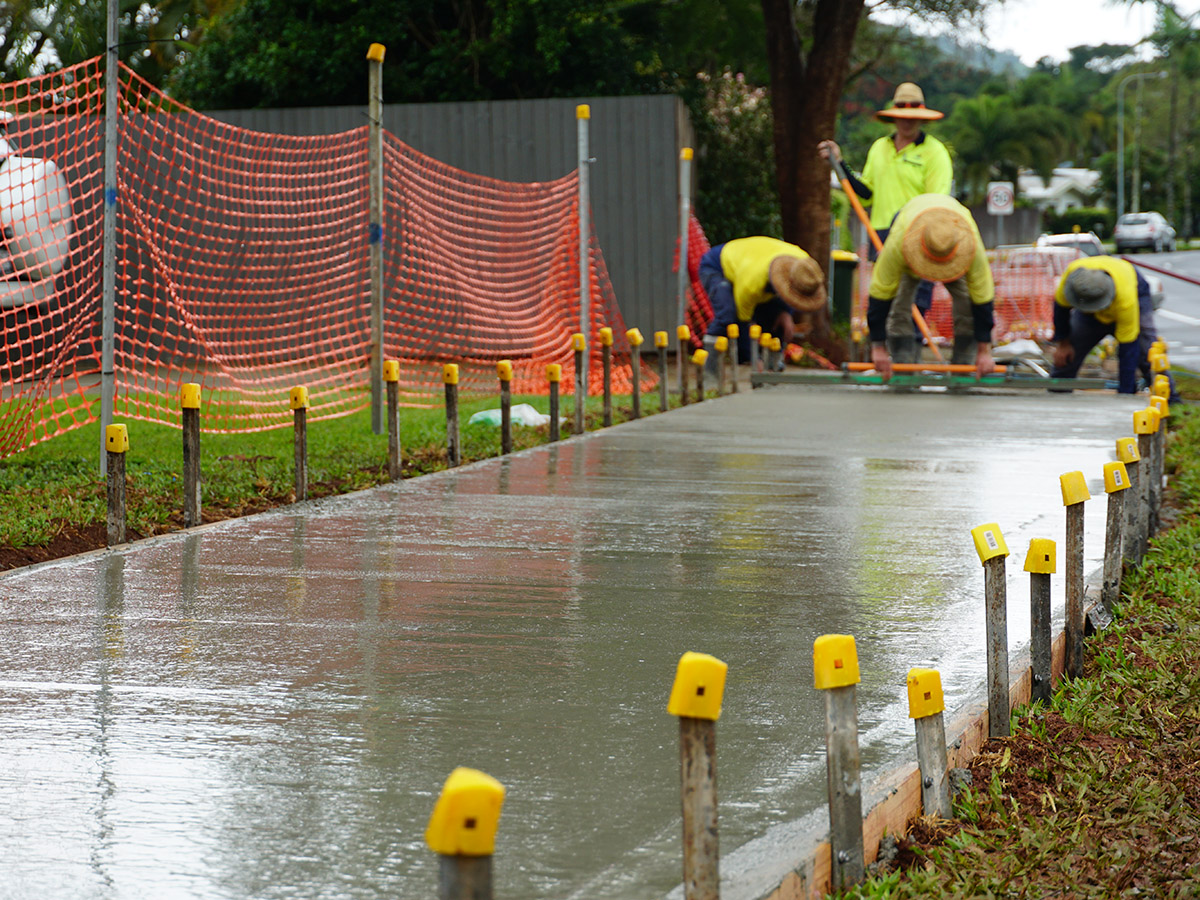
Active travel includes cycling and walking, and any transport that relies on human-power. Pedestrian walking paths and community footpaths provide...
15 October 2026