Saltwater Creek Catchment Resilience Master Plan
About the Saltwater Creek Catchment
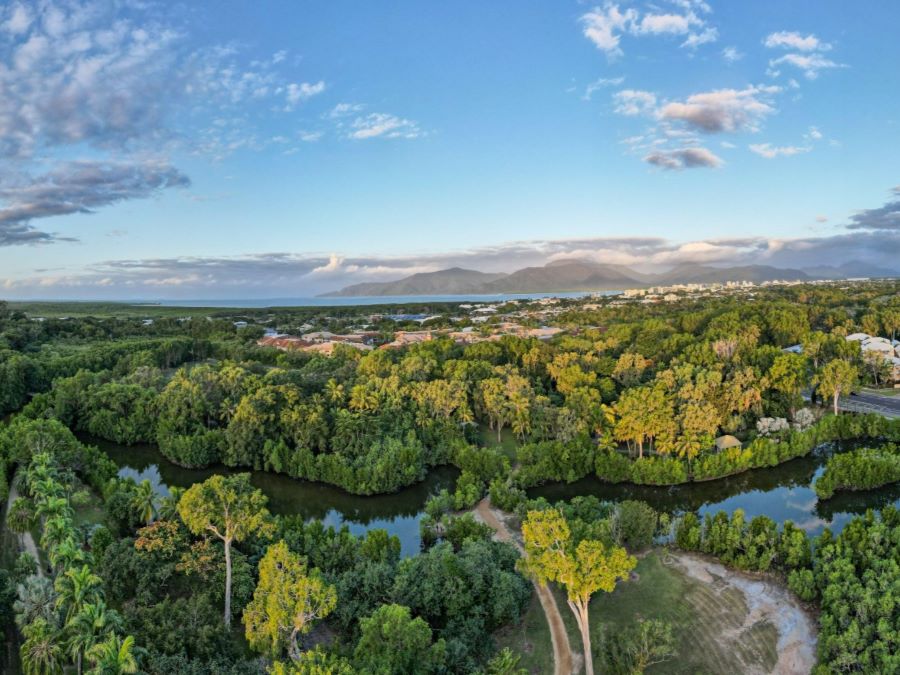
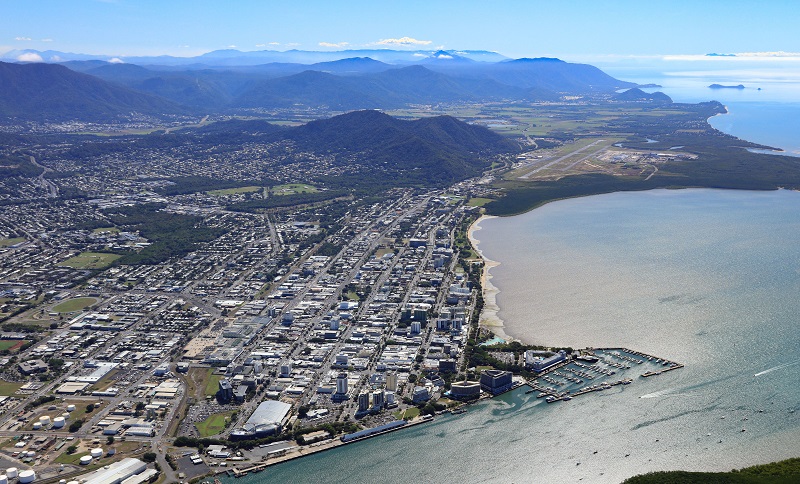
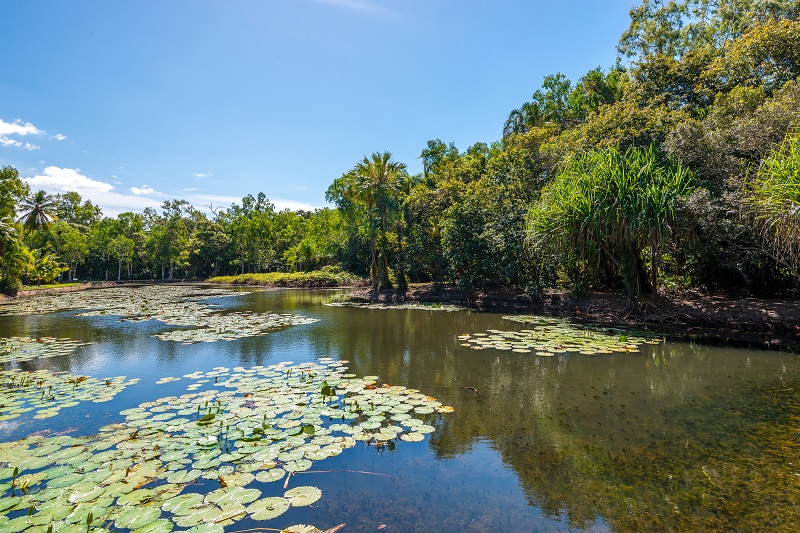
The Saltwater Creek Catchment is a vital natural system made up of three main waterways: Saltwater Creek, Lily Creek, and Hamliffe Creek.
- Saltwater Creek begins in the foothills of Mt Whitfield, flows through urban suburbs, joins Lily Creek near the Cairns Botanic Gardens, and continues out to the Great Barrier Reef Lagoon.
- Lily Creek starts in the Cairns CBD around Florence Street, runs along Water Street, Dunn Street, and Law Street, then passes through the Lily Creek Environment Reserve and the Botanic Gardens before merging with Saltwater Creek.
- Hamliffe Creek originates near Palmerston Street in Aeroglen, follows the Captain Cook Highway, and meets Saltwater Creek near the exit to Aeroglen Drive.
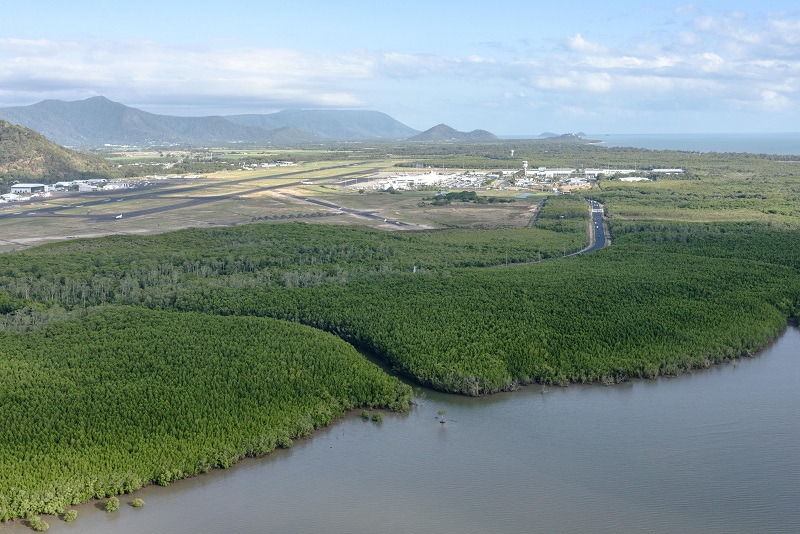
- From the Airport's end, the waterway transforms into a tidal mangrove forest and flows into Trinity Inlet and the Great Barrier Reef Lagoon.
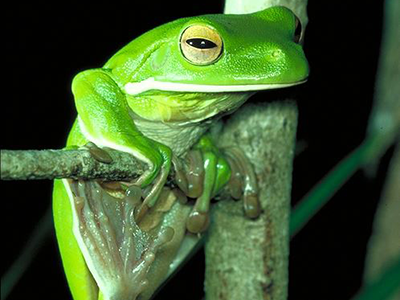
This catchment is home to diverse ecosystems including mangroves, wetlands, and riparian corridors that provide essential environmental services such as water filtration, flood mitigation, and habitat for wildlife. It also holds deep cultural significance for the Traditional Custodians of the land, the Gimuy Walubara Yidinji and Yirrganydji peoples, whose connection to Country spans thousands of years.
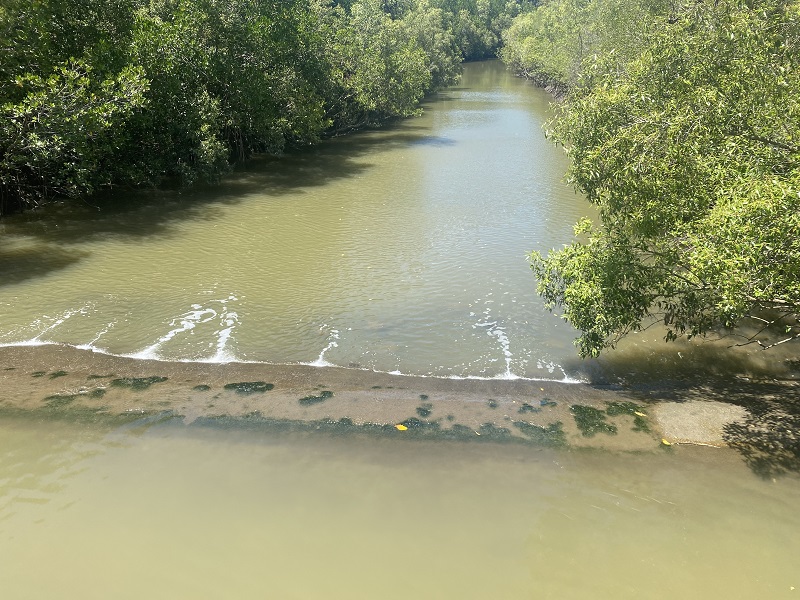
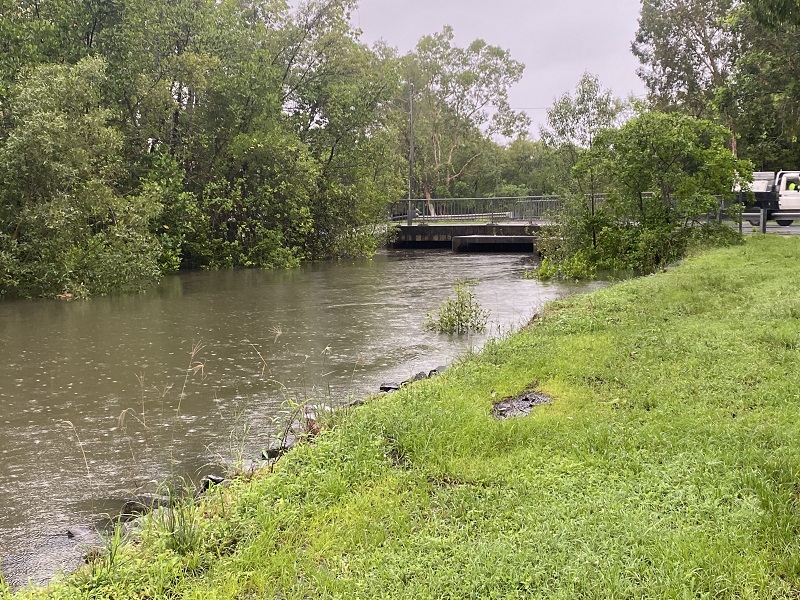
Over time, the catchment has been modified through channelling, concrete-lined drainage, and flow realignment. Situated within a growing urban area, its health faces increasing pressures from development, flooding, pollution, heat, and climate change. With landscapes ranging from hillside forests to low-lying wetlands, protecting this unique system is critical for both nature and community.
Why does this matter?
Because a healthy catchment means cleaner water, stronger biodiversity, and a safer, more resilient community. Together, we can protect and restore this vital system.
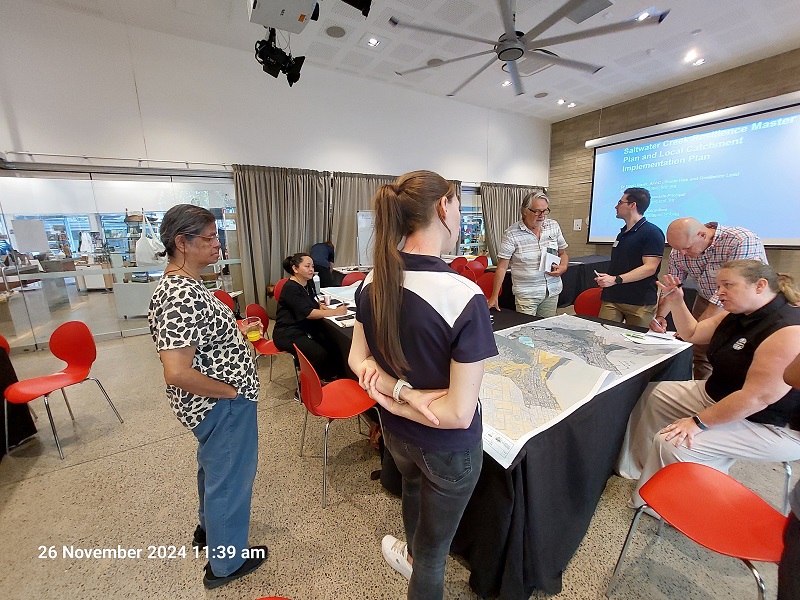
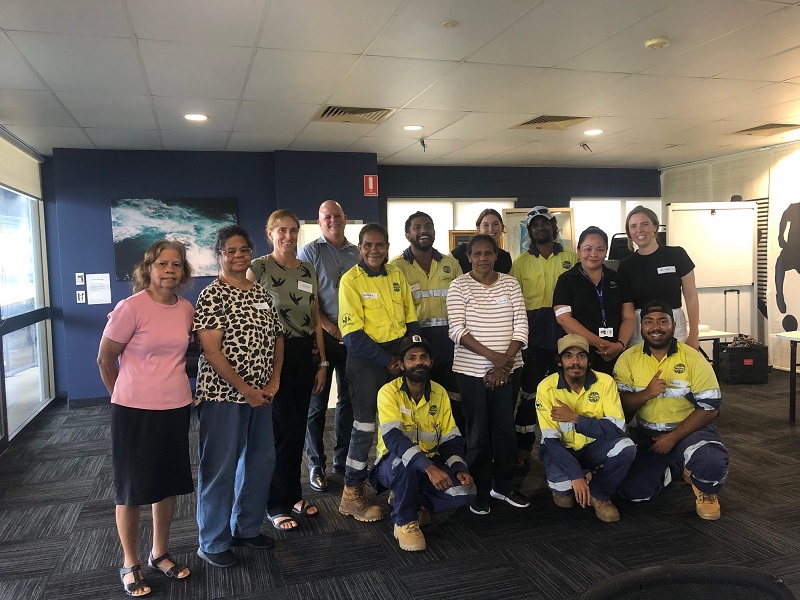
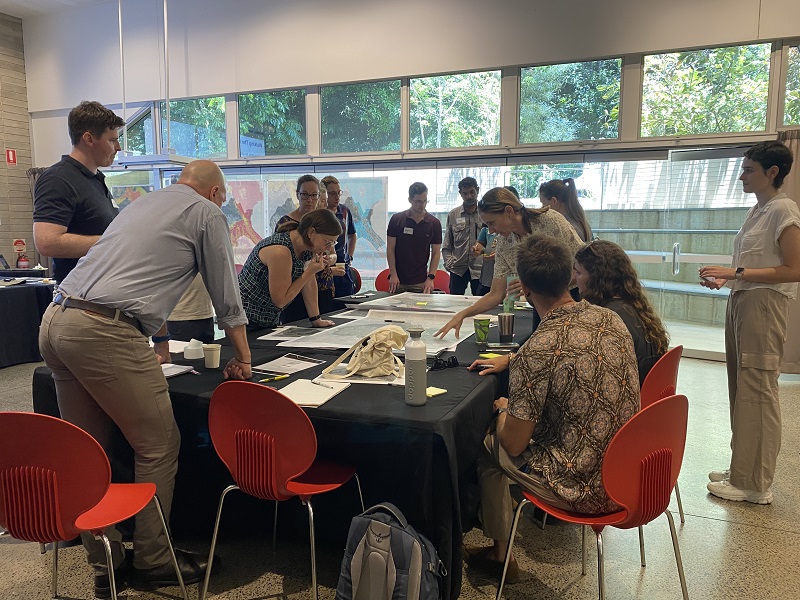
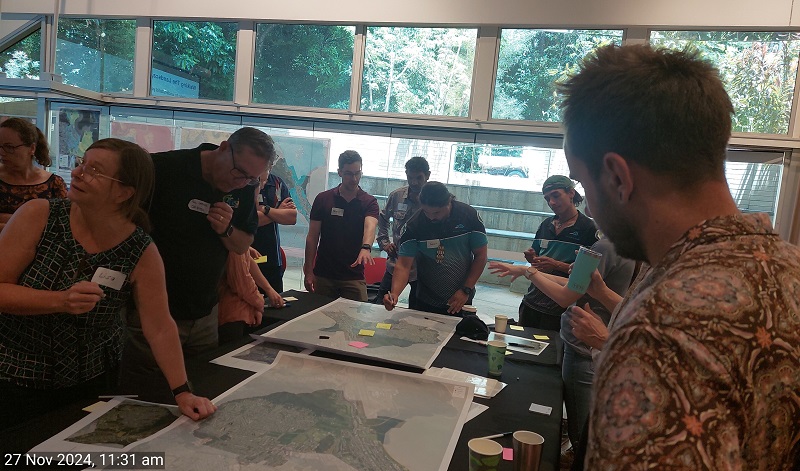
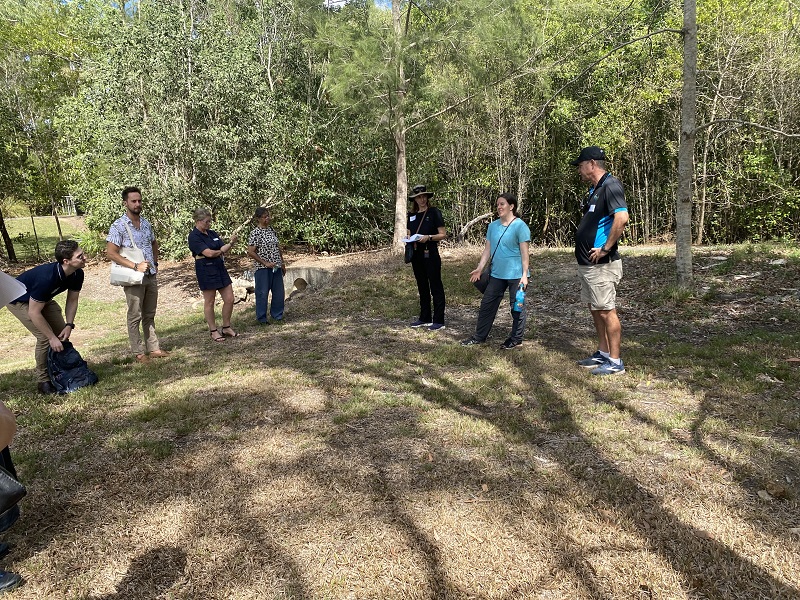
The Saltwater Creek Catchment Resilience Master Plan and Local Implementation Plan establishes a long-term vision for the catchment while identifying actions to enhance its health, function and resilience. The Master Plan has been developed in close collaboration with key stakeholders who live and work in the catchment. It is also informed by extensive review of existing plans, studies, engagement and technical reports and environmental monitoring data (where available). The Implementation plan is a collation of actions to support the delivery the of Saltwater Creek Catchment Resilience Master Plan. Actions were identified and collated following a review of the applicable literature, workshops with project stakeholders and from a walking the catchment study tour.
How you can help care for the catchment and build community resilience
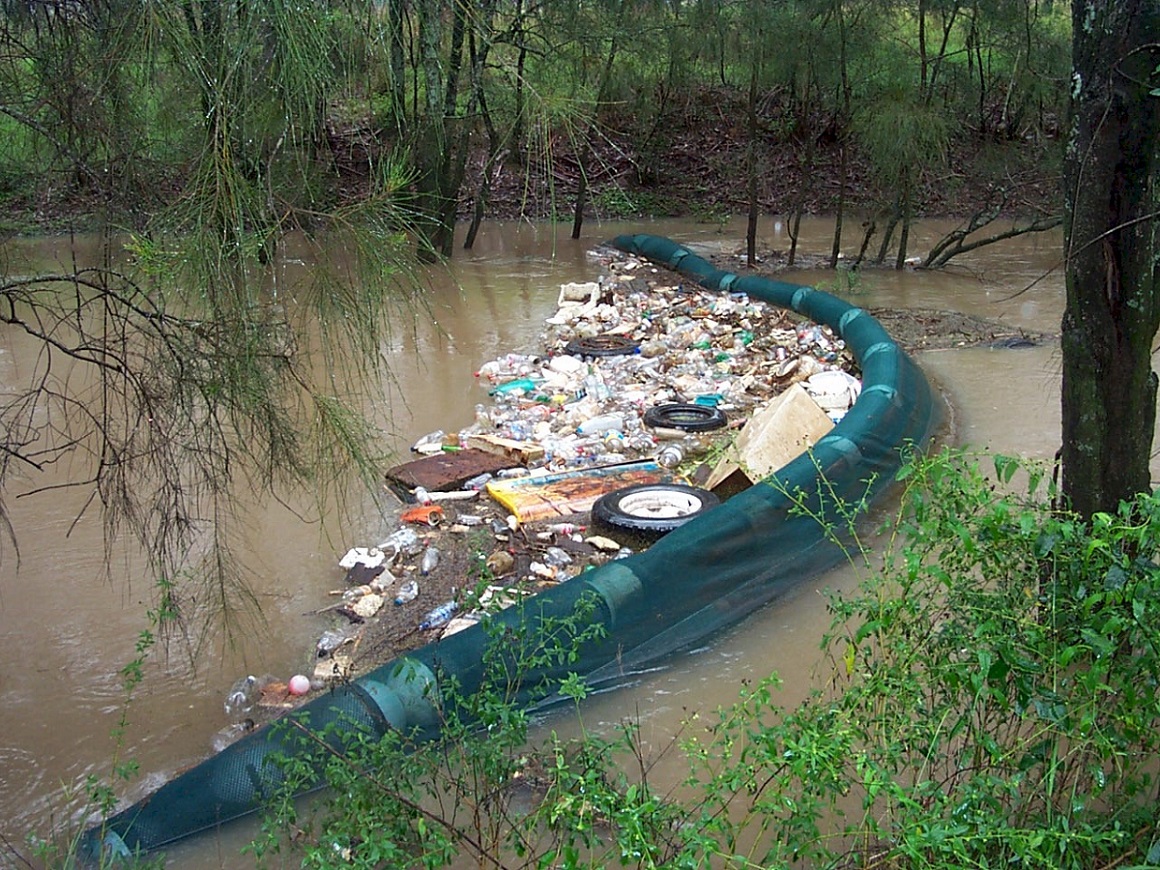
- Reduce stormwater pollution - dispose of waste properly, avoid littering, and keep chemicals out of drains.
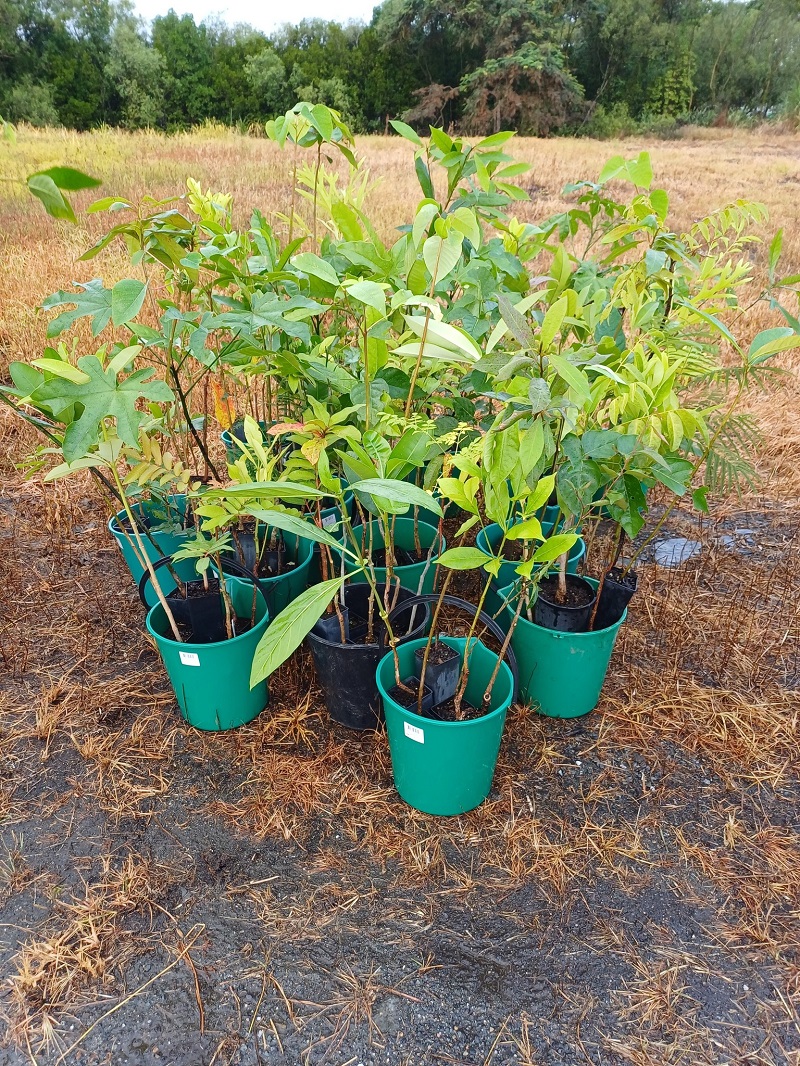
- Plant native vegetation - support riparian zones and backyard habitats by planting local native plants to improve biodiversity.
- Conserve water - use water wisely to reduce pressure on natural systems.
- Prevent erosion and sediment runoff - maintain ground cover and avoid disturbing soil near waterways.
- Join local clean-up and restoration projects - volunteer with community groups to remove rubbish and restore habitats.
- Report illegal dumping or pollution - help authorities protect waterways by reporting harmful activities.
- Support Traditional Custodians’ initiatives - learn about cultural values and participate in programs that respect Country.
- Prepare for flooding and climate impacts - stay informed, create emergency plans, and advocate for climate resilience.
Every action counts. Together, we can keep Saltwater Creek catchment healthy and resilient for generations to come.
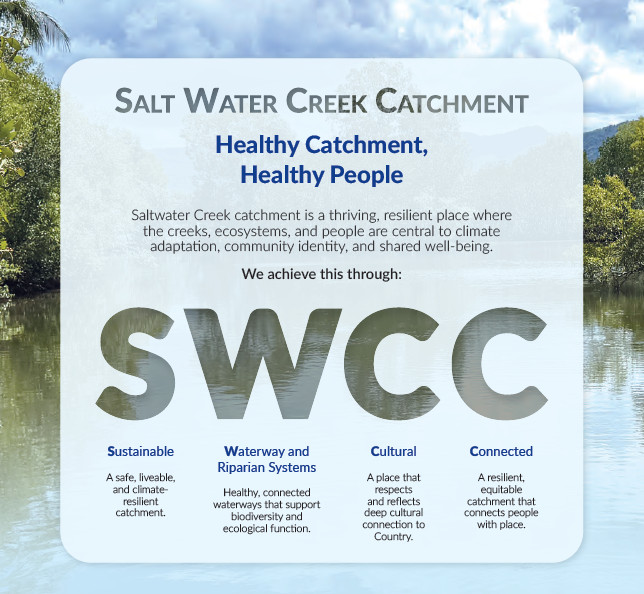
Master Plan Vision
Last Updated: 25 November 2025
Latest News > All News
What's happening in your suburb this month?
Friendlier and safer community spaces, coastal protection and smart water meter upgrades are being delivered across the Cairns region....
22 October 2026

2027 Australia Day Awards nominations open
Every year, Cairns Regional Council recognises how important it is to acknowledge the people around you who are making a...
22 October 2026
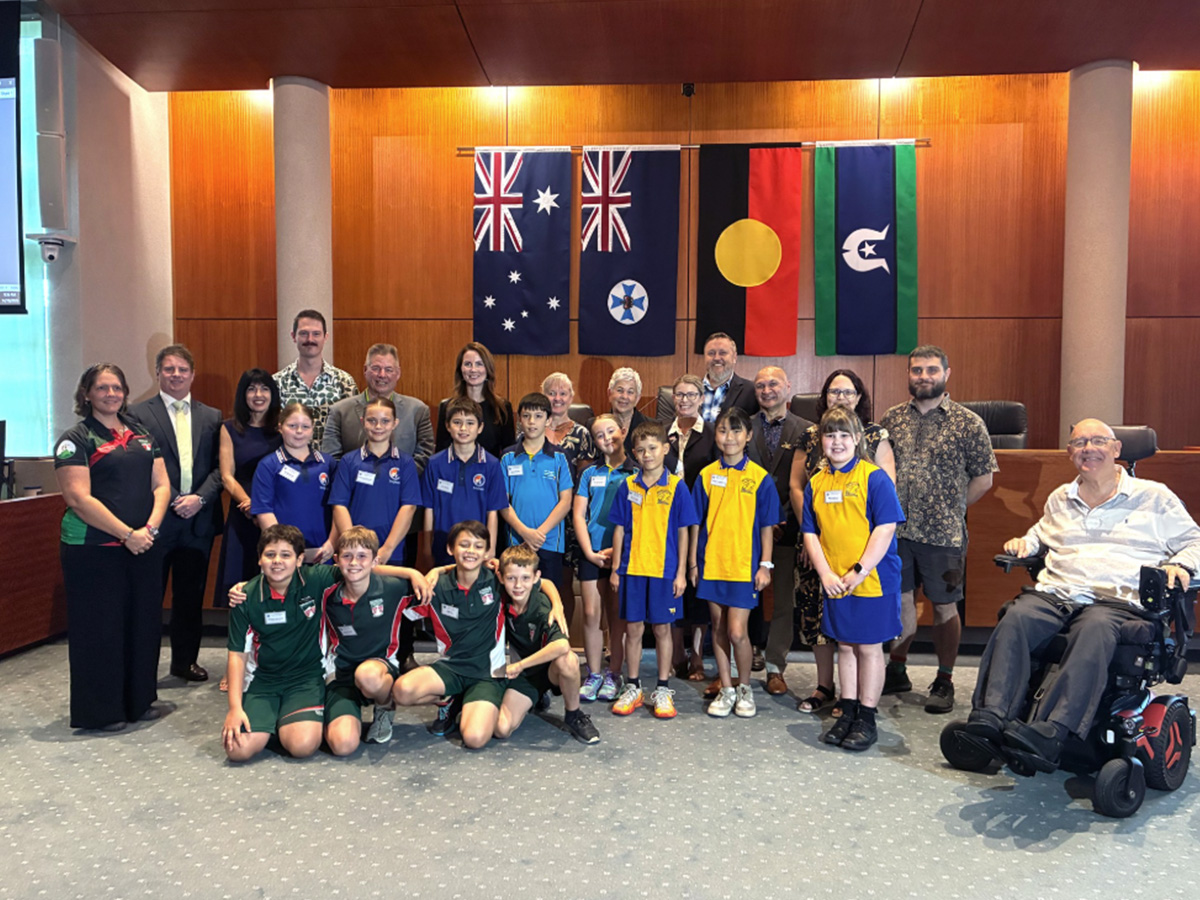
Young innovators lead the way on sustainability
Cairns' next generation of environmental leaders have presented innovative sustainability projects directly to Councillors, showcasing practical solutions to challenges ranging...
20 October 2026