Recovery status
Recovery activities fall under the four core recovery pillar committees: Economic, Environment, Human & Social, and Infrastructure. These committees are working hand-in-hand with local stakeholders, businesses and industry groups, as well as government, to ensure our recovery.
Economic
The event had an immediate economic impact with business unable to trade, job losses, transport networks closed, and the tourism industry reeling from cancellations.
The short-term focus was providing support to mitigate the immediate economic impacts from the disaster. This included informing the development and deployment of various funding and ancillary packages from all three levels of government to support business and industry sector recovery.
- Council offered financial assistance to those ratepayers who have been severely impacted by the event. Ratepayers can request extended interest-free repayment arrangements for their outstanding and upcoming rates notices.
- Council ensured that impacted ratepayers were not charged for any excess water above their average usage.
- State and Federal governments also offered financial assistance to those affected by the floods.
An independent economic assessment of the impacts of the disaster has informed medium to long term economic recovery and resilience planning.
Environment
Environmental impacts on Council land predominantly on beachfronts (sand erosion) are being addressed in the medium to long term. Damage to significant, high value vegetation, waterways and protected areas was localised.
Some areas naturally recover. Environmental damages such as pest infestation spread will be unknown until germination occurs or populations grow to detectable levels.
The weather event contributed to the erosion of sand from sections of the northern beaches resulting in the loss of vegetation and damage to roads, paths, retaining walls and public amenities.
Council’s priority is to fix public infrastructure and the built environment to ensure public safety and amenity is returned as soon as possible.
Sand deposits washed out to sea have every possibility of replenishing the eroded sections of the beaches naturally.
Council continues to survey the coastline to get a better understanding of where the sand that discharged from the rivers naturally deposits.
Residents are reminded to heed warnings and not to enter areas barricaded due to erosion.
Human and Social
While the human social impact cannot be truly measured in dollars, significant funds contributed to provide Recovery Hubs, social and financial support, clean ups and basic services such as emergency power, food and water to affected communities.
Even prior to Cyclone Jasper our community was facing significant cost of living pressures with the rising costs of mortgage repayments, rent, insurance, and day to day essentials all impacting household budgets and business profitability.
A Community Recovery Hub was located at Tjapukai Aboriginal Cultural Park (Closed on Friday 9 February 2024). People can still access the help they need at Community Centres and/or via contacting Centacare.
Council provided support to residents at Kamerunga Villas and community led hubs at Machans and Holloways Beach. Councillors and Executive Managers attended community meetings at Yorkeys Knob, Holloways Beach and Machans Beach.
A rapid social needs assessment was completed to identify the effects and ongoing recovery needs in the community. This process included a range of inputs, such as continuing community consultation via a public online survey and targeted focus groups involving key human and health services.
Whilst the full extent of the human and social impact is still being determined, it is evident that the most recent event has compounded pre-existing challenges and there remains a significant degree of vulnerability including emotional stress in the most affected areas. Council continues to work closely with the community sector to support the service responses and provision of essential assistance for impacted communities.
Infrastructure
Significant impacts on infrastructure are being addressed in the medium to long term. Council completed detailed assessments of damaged infrastructure and areas to prioritise works and ensure inclusion in our future works program.
Critical Bureau of Meteorology flood warning assets have been returned to service.
There was significant hard waste collection completed mid-January with case-by-case assessments in flood affected areas throughout early February.
Council offered to collect flood-impacted vehicles surrendered by owners.
Priority works included Barron Gorge Road, Casuarina Street reconstruction options, Fisheries Bridge reconstruction, Lake Morris Road, Savannah Street (Palm Cove) drainage reconstruction and numerous culvert and drainage structure projects.
In addition, works included the principal cycleway network bridge crossing the Barron River at Caravonica, restoration of surf lifesaving huts at Kewarra, Machans and Yorkey’s Knob, and installation of a temporary pedestrian bridge at Fisheries Bridge, Goldsborough.
Last Updated: 18 December 2024
Latest News > All News
What's happening in your suburb this month?
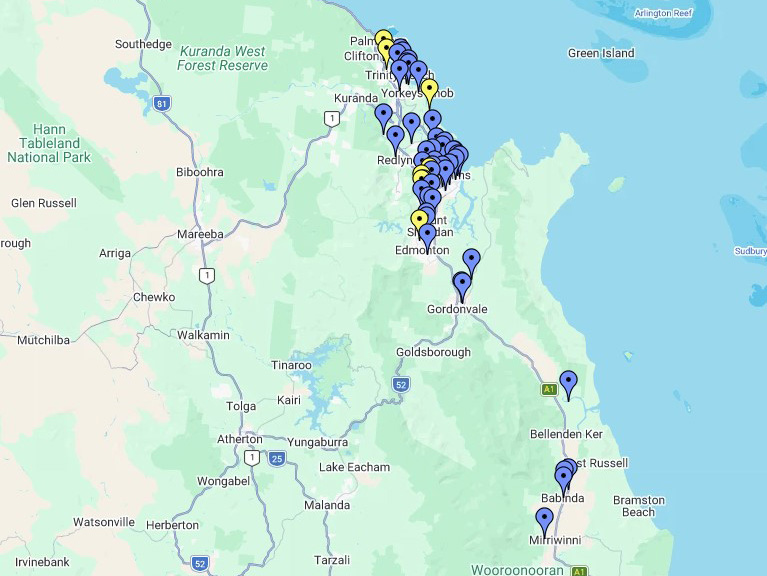
Friendlier and safer community spaces, coastal protection and smart water meter upgrades are being delivered across the Cairns region....
22 October 2026

2027 Australia Day Awards nominations open
Every year, Cairns Regional Council recognises how important it is to acknowledge the people around you who are making a...
22 October 2026
Young innovators lead the way on sustainability
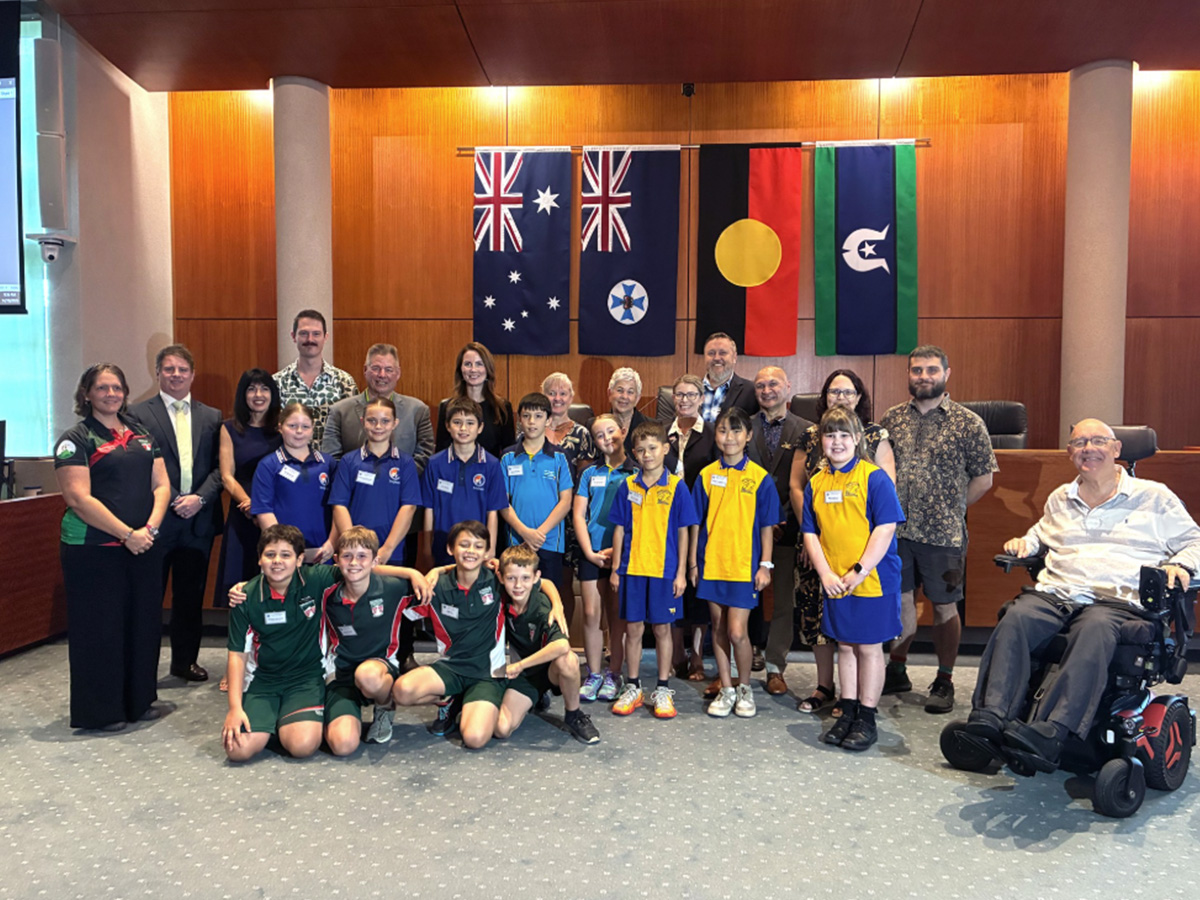
Cairns' next generation of environmental leaders have presented innovative sustainability projects directly to Councillors, showcasing practical solutions to challenges ranging...
20 October 2026