
Jaragun EcoServices
Russell River Catchment and Seascape Sustainability Plan
Recognised under the Reef 2050 Wetlands Strategy, the Jaragun EcoService Russell River Catchment and Seascape Sustainability Plan is leading the way in how wetlands are managed and restored. Developed in partnership with Traditional Owners, ecologists, scientists and government, this 70-hectare project is not just a wetland, it’s a working model for whole-of-system thinking.
With 15 full-time employees, their work not only revitalises cultural knowledge but also supports a further 17 indirect jobs and injects over $3.78 million into the local economy.
Restoring Country, culture, and climate resilience
Decades of land clearing, soil degradation and sediment runoff from agriculture have weakened this catchment’s ability to support the Great Barrier Reef. Jaragun is applying both traditional ecological knowledge and scientific modelling to repair the system from the ground up. Restoring natural water flows, improving biodiversity, and reducing nutrient loads to the reef in a bid to help protect the region’s unique ecosystem.
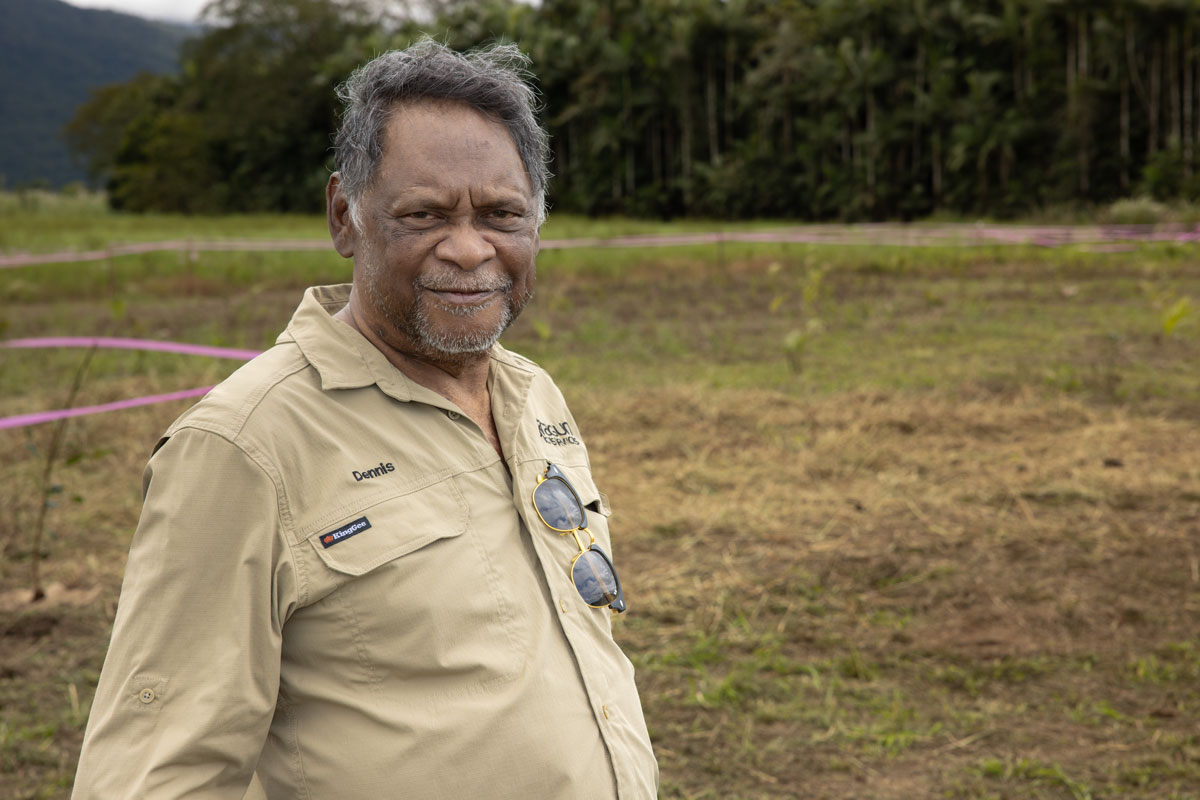
“Our ancestors tell us that the water and land are sick. Our role here is to carry out their legacy to heal the Country, particularly in the face of climate change. Every Jaragun project contributes to one outcome and that’s the clear water that’s going to run to the reef.”
Dennis Ah-Kee, Director, Jaragun EcoServices
Restoring aquatic ecosystems
A Nature Repair Market feasibility study is assessing how river and wetland habitats can be revived. This includes reinstating oysters and native fish species to clean water, support biodiversity, and enhance blue and teal carbon outcomes. These restored aquatic systems also create opportunities for tourism and fisheries.
Tackling soil degradation
Much of the catchment’s former wetlands have been cleared for agriculture, exposing naturally acidic peat soils. Jaragun is working with partners to improve lime application, reduce aluminium toxicity, and minimise fertiliser runoff, helping both farmers and reef health.
Supporting pollinators and vegetation connectivity
The project aims to support critical pollinators, including bats, birds, and insects, by restoring and linking remnant vegetation. In turn, the pollinators will play a crucial role in helping to re-establish or migrate key vegetation such as epiphyte communities, further inland. Planting itself is a science: each quadrant is tailored to species-specific habitat needs, creating lasting connectivity across the landscape.
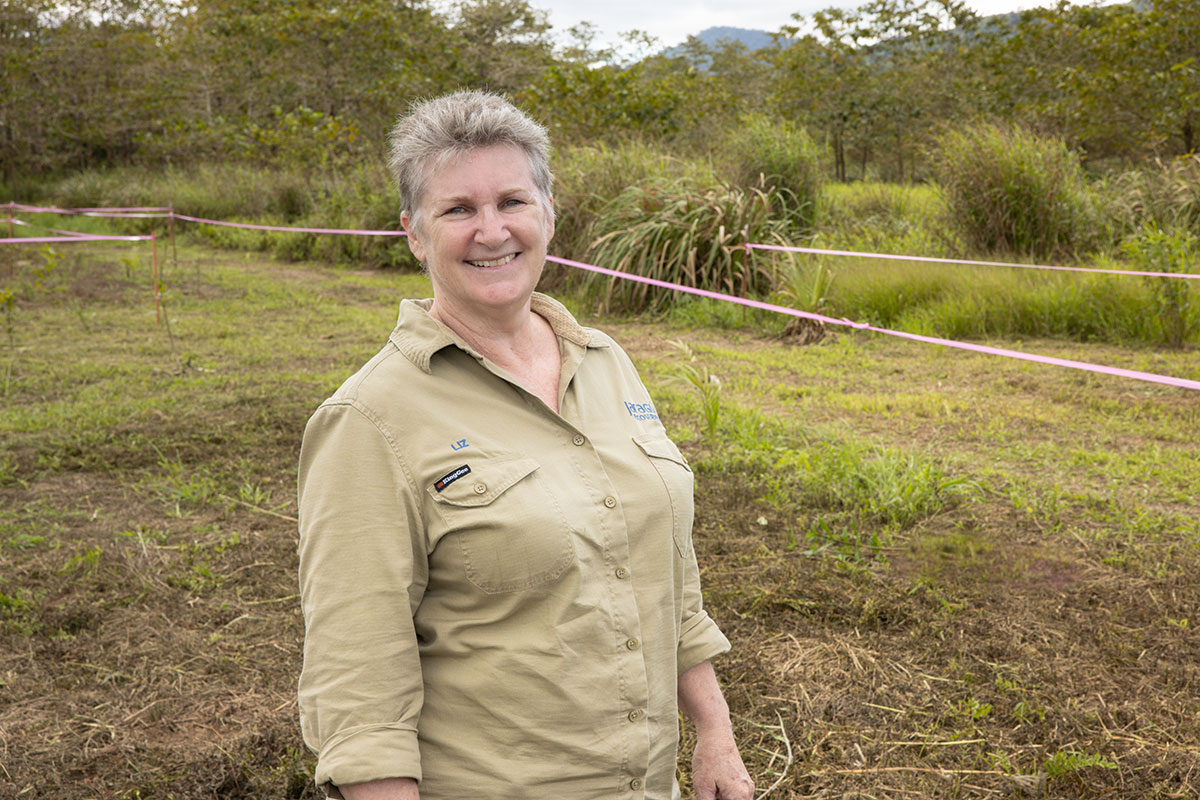
“As part of implementing the Reef 2050 Wetlands Strategy, Jaragun has developed the Russell River Catchment and Seascape Sustainability Plan. The objectives include improving and rehabilitating the landscape, alongside enhancing economic, social, and cultural outcomes for the catchment's people.”
Liz Owen, Director, Jaragun EcoServices
*Disclaimer: This case study showcases an innovative approach in Cairns’ Smart Green Economy. While this project is not owned by Cairns Regional Council, and the presentation of this case study does not imply Council endorsement, it is our aim to highlight some of the exciting initiatives in our region and inspire positive change within our community.